

 EN
EN
 EN
EN AR
AR DA
DA NL
NL FI
FI FR
FR DE
DE EL
EL HI
HI IT
IT JA
JA KO
KO PL
PL PT
PT RU
RU ES
ES SV
SV IW
IW ID
ID SK
SK UK
UK VI
VI TH
TH TR
TR MS
MS KK
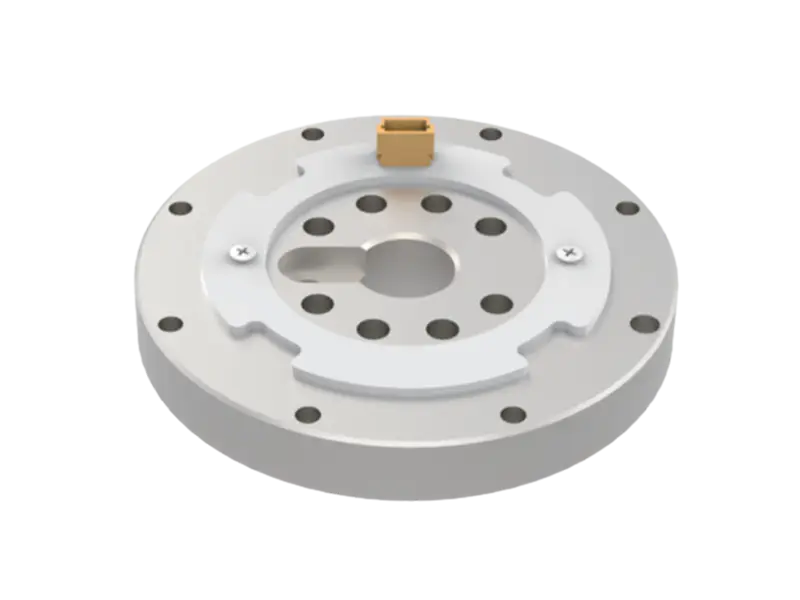
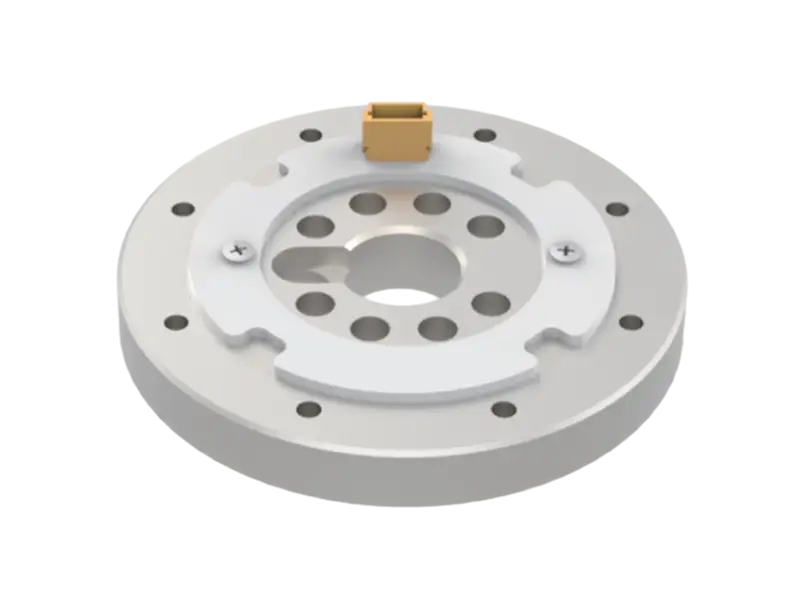
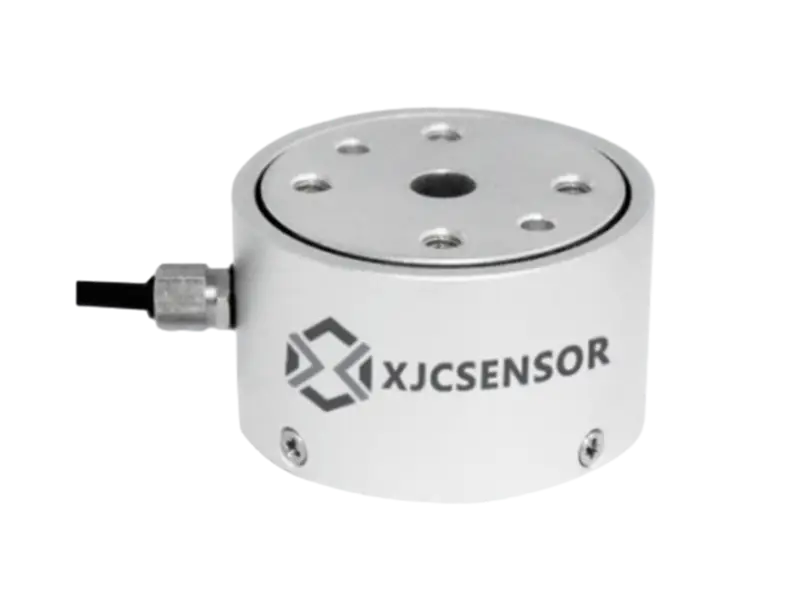
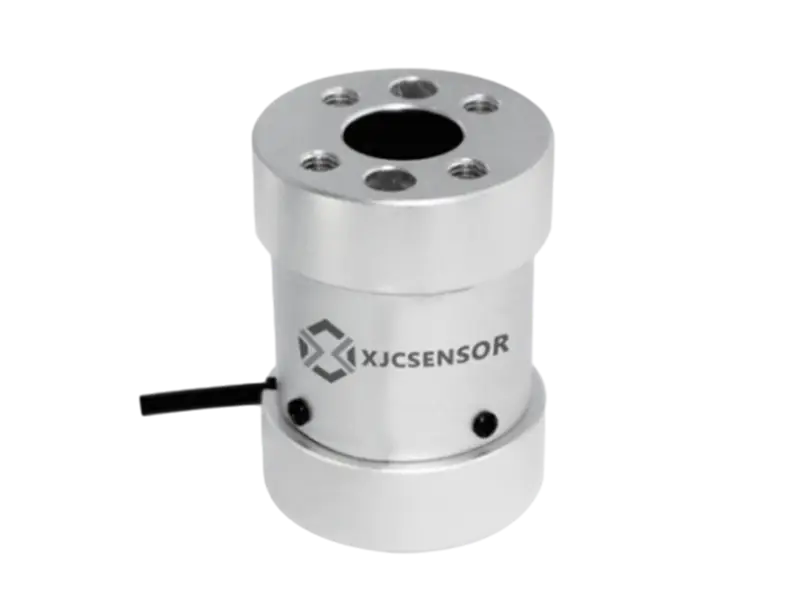
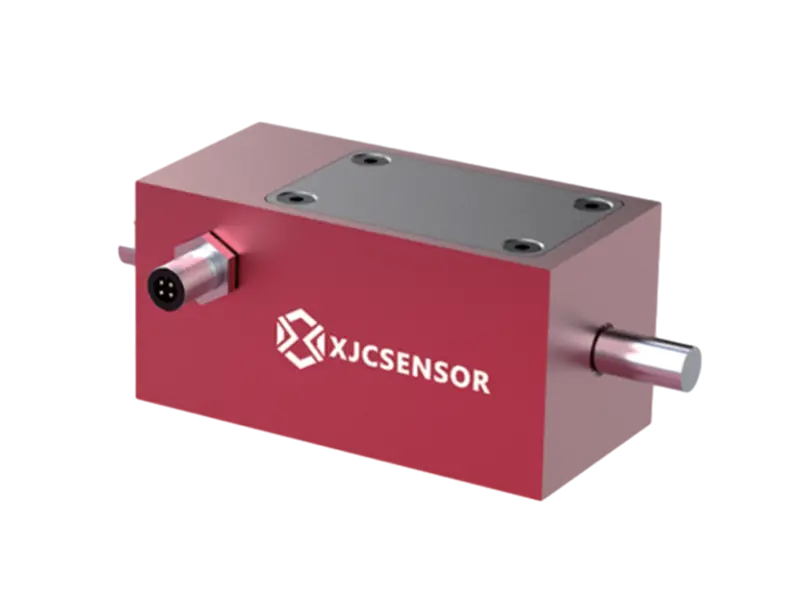
KKA rotary torque sensor is a key apparatus used in many machines. This sensor measures the pressure of an object pressing upon a spinning thing — websi. It is a useful measure of how well a machine works. Whether it's a sensor saying something isn't functioning properly, that can help an engineer find what might be wrong and correct the problem before it worsens. Firms like XJCSENSOR make the sensors so that they are accurate and reliable. For certain industries, like yours, where machines need to hum along, this is particularly important. By monitoring product torque, companies can reduce costs, save time, and keep operations safer. The rotary torque sensors come in different types and are for different applications.
What Is a Rotary Torque Sensor and How It Works?
A rotary torque sensor provides readings of the twisting force applied to an object. Imagine a wrench tightening a bolt: turning it more applies more torque. That's what these sensors measure! They have special materials and techniques to tap into this force. For example, some of the sensors incorporate strain gauges. These are tiny things that deform when they are pulled and pushed. If a shaft is turned and torque is put on it, it will flex just the least bit. This change is sensed by strain gauges and signalled to a computer. The torque value is calculated by the computer from the signals. Such a reading may be displayed on a screen or stored, e.g., for analysis. There are not many sectors which can survive without rotary torque sensors. Auto manufacturers, for instance, use them to test engines and ensure that they work properly in their fleet. In construction, they check that heavy equipment is safe to use. XJCSENSOR qualifies sensors to perform and function under hard conditions. This makes for a range of possible applications, such as factory and outdoor construction environments. By knowing how these sensing devices function, business owners and managers can be educated accordingly on how best to deploy them in a given environment. 
Which Series of Rotary Torque Sensor Is the Right One for You?
If you are looking to buy a rotary torque sensor, think about your needs. You need a sensor that suits your machine and your particular applications. First, check the torque range. Different sensors monitor different torque values. With a heavy-duty machine, you want a sensor that can take the torque. For little tools, you can get away with less of a range. Next, think about the speed. Some are better for quick rotations; others can handle slow, steady ones. You should pick one that agrees with how fast it is on your computer. Also, consider connection types. Some send data wirelessly; others use cables. Choose the one you want to use! And don't forget to consider how simple or difficult it may be to install and use the sensor. What you need is one that your team can have up and running in little time and with minimal fuss. Finally, support and assistance also count. Excellent customer service is offered by companies like XJCSENSOR. They are there to help if you have questions. Whether you're testing out new gear or not, a little support is always nice. All in all, you can choose the most suitable rotary torque sensor as long as you take these factors into account.
Common Application Errors of Rotary Torque Measurement and the Way to Avoid Them
Rotary torque sensors are a special type of machine which calculate the amount of turn that is being applied to something. They are so useful, but they can be a bit twitchy in the way they work at times. First, people often install the thing upside down. Improperly fitting a sensor may produce invalid measurements. That can happen if the sensor is not properly aligned to the machine, or there's excessive vibration in its immediate area. To prevent these problems without a glitch, check the instructions which come along with the rotary torque sensors. Make sure it's stable and does not wobble or move much. Another issue that can happen is when people create sensors but do not calibrate their own measurements. Calibration is a method of conditioning the sensor so that it will give accurate readings. Drop the ball, or do it infrequently enough? And your sensor may return results that are not actually real. You should too, and if you're using yours to make important decisions, you'd be advised to double-check its calibration with some regularity. A sensor also can be less accurate if it is in a location that's too hot or cold. Keep the sensor in a stable place with less temperature difference, if possible. At XJCSENSOR, we also teach, in simple English, how to install and keep your rotating torque sensors to avoid these things happening on your system.
Which Industries Benefit the Most from Rotary Torque Sensors?
Industries that benefit from rotary torque sensors. There are a number of industries which can benefit from the use of these devices. These help guarantee that machines and tools work efficiently and safely. “I'm sick as a dog.” Those are the words of President Donald Trump from a new recording released by Lev Parnas in which he directed that Marie Yovanovitch should be fired. When you are building cars, understanding how much force is applied when parts come together. Rotary torque sensors help ensure that all the pieces fit together just so. Manufacturing has also been a large, successful user of these sensors. At plants, machines run all day, and somebody has to stand around and watch them so they don't overdo it. By using torque sensors, you can avoid machines being worn out. This will save your time and money. Aerospace: in the aerospace industry, rotary torque sensors are widely used. Those parts, when you're making airplanes, have to be put together super carefully. But it's a petty little error, and petty errors lead to great unhappiness. This means engineers can check how much force is used when assembling the node to meet safety requirements. As well, the medical sector is another example where this sensor is extensively utilized. Many tools are used, and many items have been created by humans over the ages, and there are a number of things where knowing how much torque was being used is important. Type XJCSENSOR applies the technology, helping these fields to improve quality and safety utilizing the rotary torque sensor.
Where to Get Professional Help with Rotary Torque Sensors for Your Application
So, if you are ready to adopt rotary torque sensors but don't know where to start, fear not! There are plenty of sources for advice and help from the pros. 1: You can go to XJCSENSOR first. Here, you will find some useful information on the types of rotary torque sensors, what they do, and how far you have to go to get one installed. The site also has guides and articles for setting them upright and maintaining them. Should you have any doubt, their friendly customer service staff will help. Another great source of inspiration and advice is forums or groups related to engineering and technology. Here, relevant apocrypha of rotary torque sensor experts sharing experiences is discussed. It can be a great place to ask questions and get information from people who have used the tech for their own projects. Workshops and training can be very helpful in the end. Occasionally, companies like XJCSENSOR will host events where you can learn from professionals. You can ask questions, and you can play with the sensors. It is a fantastic way to get everything down before you get started yourself. If you are reading this out of interest or wish to go ahead and make a purchase, there are a few options that allow you to get in touch with the professionals.
Table of Contents
- What Is a Rotary Torque Sensor and How It Works?
- Which Series of Rotary Torque Sensor Is the Right One for You?
- Common Application Errors of Rotary Torque Measurement and the Way to Avoid Them
- Which Industries Benefit the Most from Rotary Torque Sensors?
- Where to Get Professional Help with Rotary Torque Sensors for Your Application

XJCSENSOR is a leading industrial force control system solution and product provider