

 EN
EN
 EN
EN AR
AR DA
DA NL
NL FI
FI FR
FR DE
DE EL
EL HI
HI IT
IT JA
JA KO
KO PL
PL PT
PT RU
RU ES
ES SV
SV IW
IW ID
ID SK
SK UK
UK VI
VI TH
TH TR
TR MS
MS KK
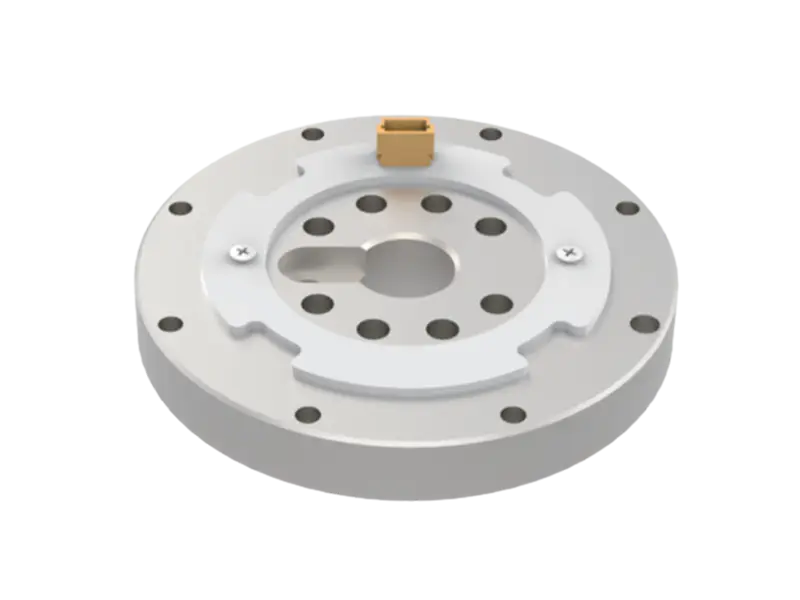
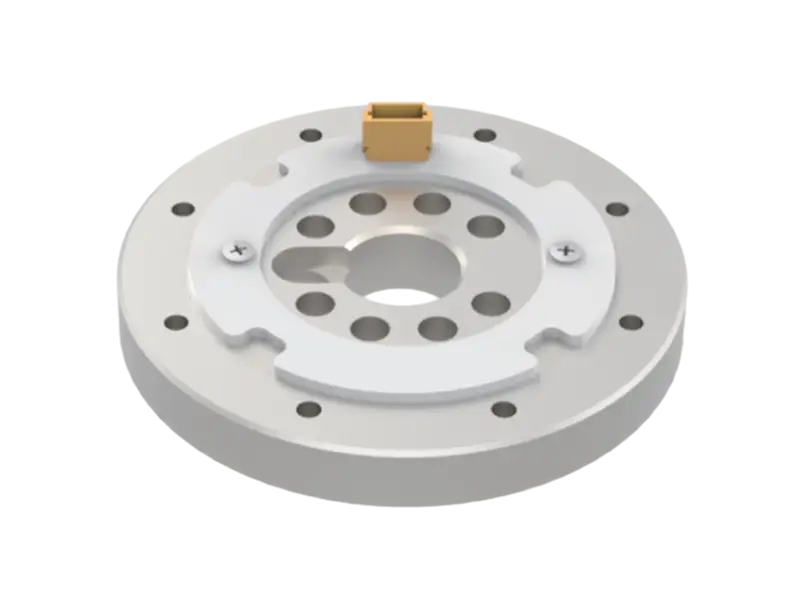
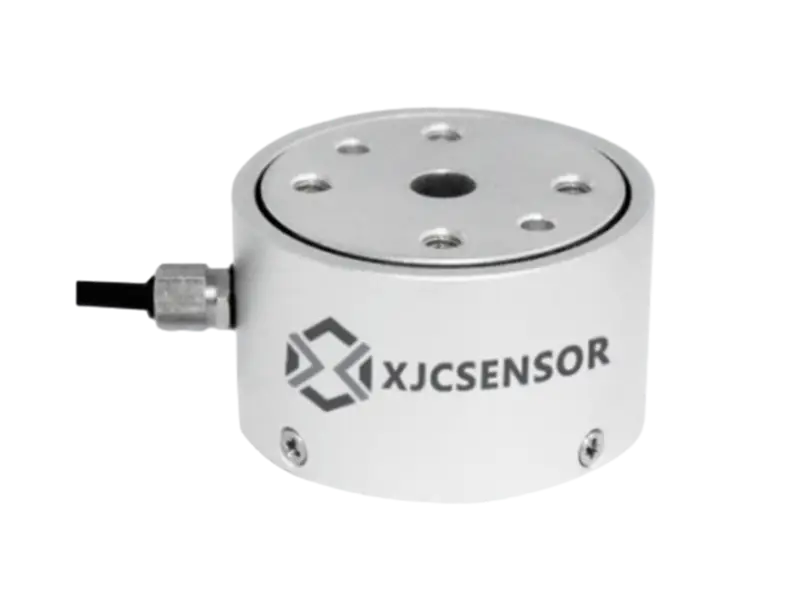
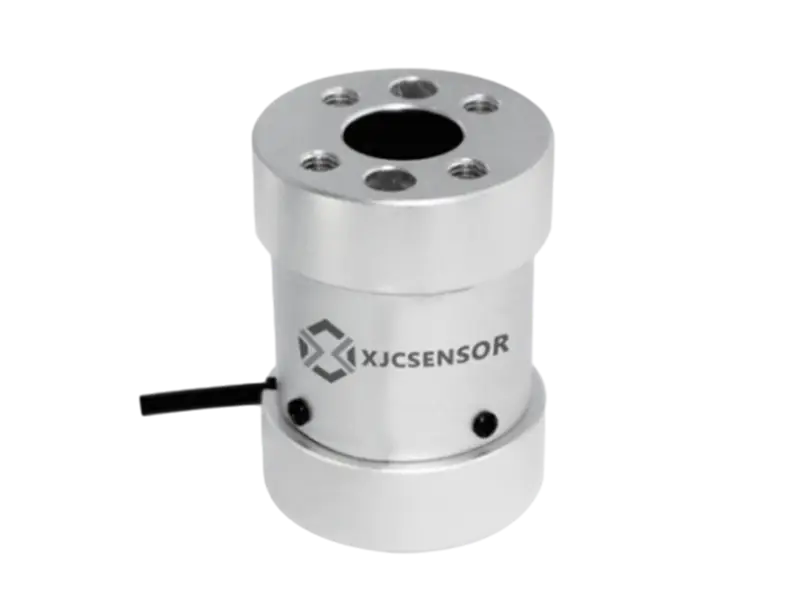
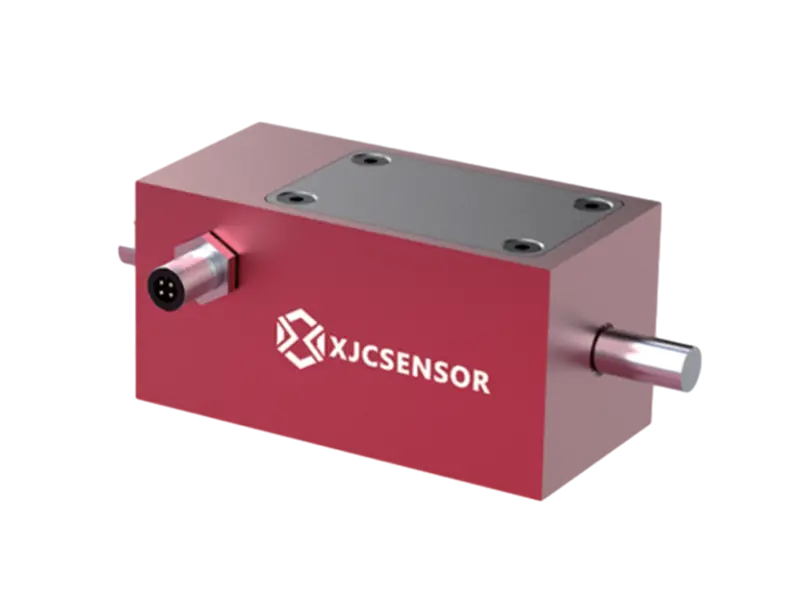
KKForce torque sensors are important devices in various fields of industry. These devices are involved in the measurement of force and torque in all types of objects, helping manufacturers produce a better product. If a company needs to know that something they create is safe and sturdy, these are frequently the sensors employed. For example, when cars are manufactured, there is a process where sensors check the tightness of bolts. That keeps trouble from breaking out later, when the cars are on the road. Packaging sensors can help, too, by letting us know when we're applying the right amount of pressure so things don't get crushed. Force torque sensors enable companies to expedite work, reduce costs, and improve product quality. Why? XJCSENSOR manufactures some of the force torque sensors on the market, so companies can count on their technology.
How Force Torque Sensors Contribute to Higher Quality Products on the Line
Force torque sensors are a big help in making sure products are manufactured properly. Quality is so important in manufacturing. And if an item isn't manufactured correctly, it can break or not work as intended. In electronics, for instance, the tiny pieces must fit together perfectly. If the force is more or less than needed, it might affect how well the device actually works. With force torque sensors, employees can easily monitor the pressure and adjust if something doesn't feel quite right. As assembly lines run, they can keep tabs on how snug screws and bolts are. It's basically an extra set of eyes to make sure everything looks good. In food production, packaging should be strong; too much pressure can damage the product inside, while too little can result in spoilage. These sensors aid workers in determining pressure that is just right. This also means less food waste and a longer shelf life for foods. Just think how disappointing it is to open a bag of chips that have gone stale. Sensors prevent that from happening. Companies might wonder if they should invest in these sensors because the cost of them is quite high. But is the price right? Better quality means not only happier customers, but also fewer returns. If a product doesn't work the way it should or breaks too easily, consumers may never buy from that company again. With a scale range up to 500 Newton meters, companies can enhance their reputation and keep customers coming back. XJCSENSOR sensors are reliable and work well, so they are the ones you need for your business. Quality is of utmost importance because everything has to run flawlessly.
How to Choose the Perfect Bulk Size Force Torque Sensors for Your Business?
It's absolutely critical that you are in the right place when you place your orders to upgrade force torque sensors. But at scale, when businesses need to buy them in bulk, they look to reliable suppliers for help. XJCSENSOR is one of these manufacturers. They have a large stock of sensors and offer competitive prices, so businesses get what they need. Typically, companies who source from them receive decent-quality sensors that last. If you are buying a number of these, then you must also look for quality. There are some places that sell dodgy sensors which just don't survive. These can ultimately prove more costly because businesses have to replace them often. Ultimately, it's better to spend a little extra upfront for something that doesn't break easily or look cheap. Sensors must be cleanable and maintainable, so consider whether a company provides reliable support. The buying terms are also another thing to consider. Businesses should ask for warranties and return policies before they buy. This will enable them to reorder another sensor at no extra cost if it is not functioning properly. Uniform customer service and attention allow suppliers to form good relationships with buyers. It's also a way to collaborate if you think the supplier may extend closer deals as your relationship becomes stronger. Last but not least, reviews on suppliers can also help companies make up their mind about whom to buy from. Customers “telling it like it is” will let you know what the quality and customer service are really like. XJCSENSOR is popular for its high quality and performance, which is admired by a variety of companies. Satisfying all of these requirements can lead to a business relationship that helps companies grow and be leaders in their market. 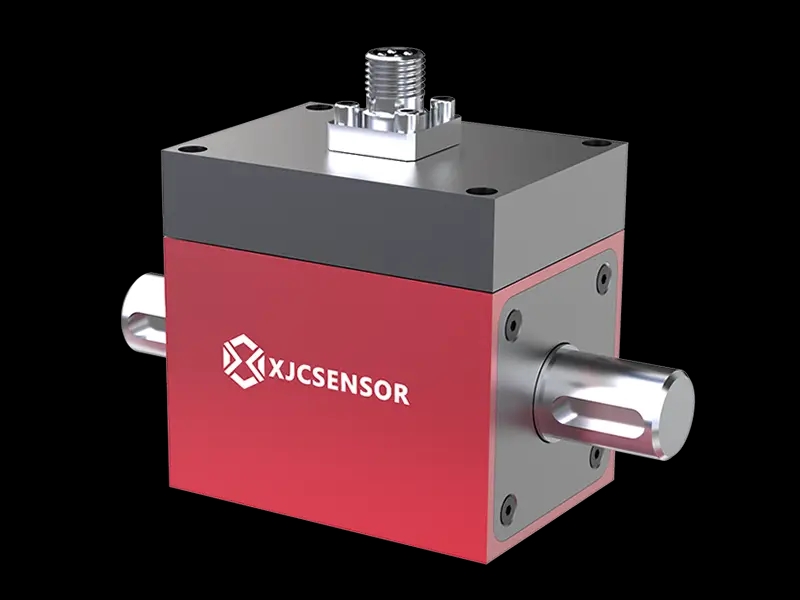
Who Gets the Most Use from Force Torque Sensors?
Force torque sensors are essential tools in many applications. Manufacturing is one of the major sectors that employ these sensors. In business, machines and robots churn out products quickly and effectively. These machines also measure how much force they're using, a crucial dimensioning feature that helps make sure products are made properly. For example, if a robot is tightening a bolt on a car, the force torque sensor can determine whether it's applying the correct pressure. If it uses excessive force, the bolt can break, but if the pressure is too small, the bolt may loosen. The same technology that ensures one piece fits in only one place also prevents assembly errors. Another industry that employs force torque sensors is the automotive sector. Generally, cars are made up of several parts that must fit together in just the right way. These sensors let engineers feel how hard parts need to be pressed together and regulate the force. If engineers can determine the necessary force, they can build a vehicle that's safer and better made. In aeronautics, force torque sensors are used as well. Airplanes are precision-made, and these sensors ensure components work well under different circumstances. With models like force torque sensors, engineers can sidestep mistakes that could cost money and lives.
Force Torque Sensors in Robotics and Medical Applications
EMA (Electro-Mechanical Actuator) position and force feedback control of EMA hybrids have attracted much attention in industrial and medical fields. In surgical robotics, for example, these sensors allow surgeons to execute rapid cutting motions. The sensors also tell robot arms how much force to apply, preventing them from crushing delicate tissues. Industries benefiting greatly from force torque sensors include manufacturing, automotive, aerospace, and healthcare. They add convenience, accuracy, safety, and efficiency in high-demand environments.
How Force Torque Sensors Enhance Safety and Accuracy in Industrial Applications?
Force torque sensors are essential and safety-relevant components in numerous industrial applications. One of the strongest arguments for why we need these sensors is to help prevent accidents from occurring. Factory and heavy machinery workers need to be safe. Force torque sensors allow machines to sense how hard they are pressing or applying force. If a tool over-exerts force, it can cause injuries to workers or damage products. Machines will automatically shut down if the sensors detect too much pressure, ensuring everyone remains safe. Another important aspect in which force torque sensors excel is precision. In the investment casting and molding process, proper force is required to produce quality parts. If something is assembled too tightly or too loosely, defects can result. Sinking a screw down too tightly may crack the material, while too loose could cause it to fall out. Force torque sensors ensure each part fits perfectly, improving product consistency and quality. In addition to their safety and quality role, these sensors contribute to performance efficiency. With feedback on specific forces at work, companies can retrofit machines to perform better. This means less waste and fewer mistakes during the manufacturing process. When workers have safe, well-functioning, and precise machines, they work more quickly and produce more goods. In summary, force torque sensors not only help workers work more safely, but also increase the quality and efficiency of industrial processes. XJCSENSOR is dedicated to providing high-quality force torque sensors that are safer and more accurate.
Factors to Consider When Using Force Torque Sensors in Your Application
When selecting force torque sensors, certain factors must be kept in mind. First, be clear about the work you are doing. Machines and jobs differ, so different sensors are required. For example, a manufacturer making ultralight products may need sensors to measure very low levels of force, while heavy machinery may require sensors that can handle significant pressure. Choosing the appropriate sensor is crucial to obtain optimal performance. Second, companies must decide how they'll integrate the sensors into their existing infrastructure. This may involve altering machinery or installing specialized software to interpret sensor data. It is also important that these sensors are adaptable to other devices and can easily acquire data. Companies must also consider whether training employees to operate the sensors and interpret their data is worthwhile. If workers can understand sensor data, they can make better decisions to improve safety and performance. Finally, servicing is a key consideration. Force torque sensors, like any equipment, require calibration to avoid disruptions. Regular maintenance can prevent issues and extend the sensors' lifespans. At XJCSENSOR, we recommend proper maintenance to ensure everything works to satisfaction. Increasing workplace safety, efficiency, and productivity is better achieved when considering job nature, integrated systems, worker training, and ongoing maintenance when installing force torque sensors.
Table of Contents
- How Force Torque Sensors Contribute to Higher Quality Products on the Line
- How to Choose the Perfect Bulk Size Force Torque Sensors for Your Business?
- Who Gets the Most Use from Force Torque Sensors?
- Force Torque Sensors in Robotics and Medical Applications
- How Force Torque Sensors Enhance Safety and Accuracy in Industrial Applications?
- Factors to Consider When Using Force Torque Sensors in Your Application

XJCSENSOR is a leading industrial force control system solution and product provider