

 EN
EN
 EN
EN AR
AR DA
DA NL
NL FI
FI FR
FR DE
DE EL
EL HI
HI IT
IT JA
JA KO
KO PL
PL PT
PT RU
RU ES
ES SV
SV IW
IW ID
ID SK
SK UK
UK VI
VI TH
TH TR
TR MS
MS KK
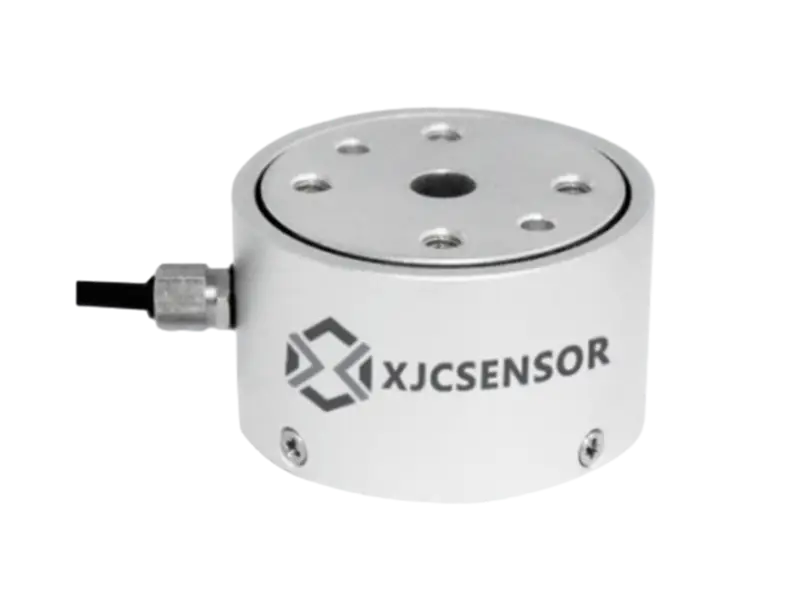
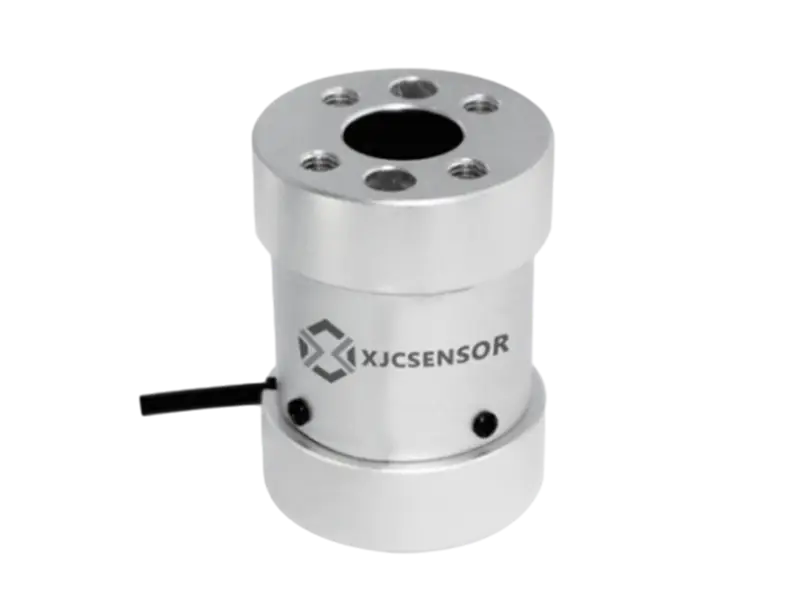
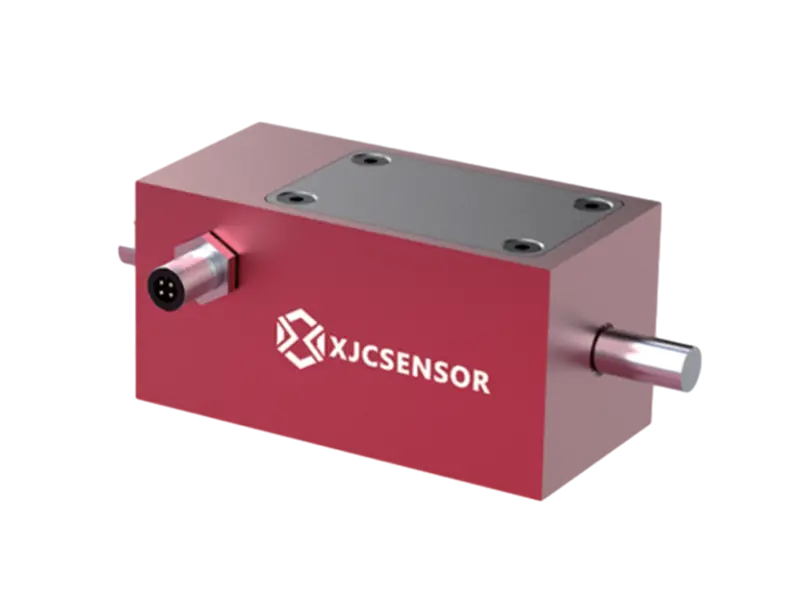
KKIn the industrial automation area, a force torque sensor is one of the popular force-sensation devices. The machine and tool must also be able to perceive the forces or torques applied to them, which is provided by these sensors. That's especially crucial in factories, where heavy machinery must be able to carry out work with accuracy — and without danger. These sensors are manufactured by the XJCSENSOR company. Thanks to the proper sensors that can be implemented by these companies, they can now get their workflow streamlined so that everything should go according to plan. Understanding how force torque sensors work helps us understand why we want to use them in a manufacturing application. They are a way to make work and the machines that do it safer and more efficient.
What Industrial Automation Professionals Need to Know Upfront — LOGIX5000 Compliments of LogixPro
That's what industrial automation is — in each of these cases, machines making it easier and faster to do things. These are the aforementioned force torque sensors that this system consists of. They inform you of the force that is coming from which direction. This could be handy for a variety of machines, such as robots or assembly lines that need to measure how hard they are pushing or pulling. Think about lifting a heavy box. Without any real sense of how much force to apply, you risk either dropping the item or wrenching a shoulder. Also, in factories, machines need such sensors to be able to perform their functions without damaging parts or making mistakes. High-Quality: XJCSENSOR provides you with a long-lasting sensor that will withstand the test of time and heavy use. By detecting problems beforehand — when they develop rather than before the issue is a real one — these sensors can save time and money. If the machine pushes too fast, it can snap parts, slow the production pace to a crawl, and leave big safety gaps. The correct force torque gauge lets the machine know that it needs to decrease its force and there won't be any problems. Selecting an appropriate sensor for a specific application is essential. Sensors Aren't Identical: Not all sensors are the same. Some see light use ultimately, while others work intensively. Industrial CO2 sensor — Various types: CO2 Sensor XJCSENSOR is used to detect carbon dioxide in industry. 1) Small volume, low power consumption; high precision. They can also do better quality control with the help of sensors like these. They help to ensure that things are being created in the right way by monitoring that everything along the production line is functioning as it should. In other words, fewer mistakes and happy customers. That is why, whether you are running a mom-and-pop shop or a factory, the ability to employ force torque sensors can make all the difference in successful industrial automation.
Improving the Precision of Manufacturing Processes with Force Torque Sensors
In manufacturing, precision is everything. When the machines are more accurate, it produces better products and less waste. Here are a few ways force torque sensors can help with robotic precision. For example, when you have a robot assembling some parts, you don't want it to use too little force nor too much. If it exerts too much force, it will snap parts or alter how they fit together. That's where XJCSENSOR's technology is involved. These sensors inform the robot how hard it is pushing. If there is too much, the robot receives a signal to back away from the pile. Adapting in Real Time: Information like this enables the robot to adjust on the fly. It also contributes to quality-checking purposes. If items are checked for durability, the sensor indicates whether they meet certain requirements. If a product is defective early, the error can be corrected in the bud and resources are not squandered. Moreover, the precision of force detection can further enhance the orchestration rate. Workers know precisely how much pressure to apply with the tools, accelerating everything. For example, a screwdriver is even more useful when it knows precisely how much to tighten something based on feedback from the sensor. That kind of accuracy allows factories to produce more units in less time — without compromising quality — giving companies a competitive advantage. The general force torque sensors from XJCSENSOR are of structural significance to the modern manufacturing world and help improve efficiency, safety, and reliability. 
Sourcing High-Quality Force Torque Sensors
When it comes to enabling machines to perform better across industries, one of the most important tools is the force torque sensor. This kind of sensor tells you more about how much force and torque is being applied inside the machine. High-quality sensors should be selected so that these sensors can be best utilized. Everything has to work smoothly in factories, and reliable force torque sensors give accurate readings. If a sensor is no good, it might end up giving false data. In other cases, it can lead to bigger problems like machines failing or products being manufactured incorrectly. XJCSENSOR is your best choice to purchase high-quality force torque sensors. They use quality materials and advanced technology in building their sensors to ensure durability and reliability. When shopping for sensors, don't forget to read reviews and talk to others in your field. A quality sensor is also precise, meaning you get the same reading every time (in consistent conditions). Also, bear in mind the conditions where you intend to use your sensor. It should not crack with changes in temperature and conditions. Ensure the company, like XJCSENSOR, has good customer support. If anything goes wrong or you have questions, they'll be there to help immediately. A quality force torque sensor investment will result in your machines running better, making fewer errors, and keeping your factory running long-term.
Why All This Fuss About Force Torque Sensors for Robotics and Automation?
These systems can sometimes have belts, motors, and machine setups that need to work together efficiently so we can produce items like cars, electronics, or even food. These sensors are one of the mechanisms through which machines sense how much pressure and twisting force is happening within an operation. They even help prevent machines from malfunctioning due to excessive force and torque. A good force torque sensor allows the machine to adjust its path, providing fault tolerance and producing a better product. Force torque sensors are required for quality control. For example, if a company is manufacturing toys, getting all the parts to snap together properly is crucial. With force torque sensors, machines can detect if the correct amount of force is being applied to assemble the toys. This ensures that everything is put together correctly and toys are safe for kids. XJCSENSOR provides easy-to-mount sensors for different machines. This flexibility facilitates updating manufacturing lines. The sensor data can also be received by a computer, which analyzes it and may aid in making real-time adjustments. That way, issues may be addressed before they occur, saving time and money. Force torque sensors are not only measuring tools but indispensable elements for the correct functionality of machines and systems.
How to Choose the Perfect Robot Force Torque Sensor?
Choosing the right force torque sensor is crucial for achieving the best results in your business. First, you need to consider what you will be using the sensor for. Different types of sensors handle different force ranges. For example, if you're dealing with extremely heavy loads, you'll need a sensor that can measure high force. If you need to detect smaller forces, another type, such as an NTC, may be better. Knowing your needs is the first step. Next is the size and layout of the sensor. In some applications, you will need smaller sensors that can fit in tight spaces; others may allow for larger sensors. XJCSENSOR comes in multiple sizes and forms to suit any business. You should also consider the application environment. For example, will it be exposed to dust, moisture, or extreme heat? Some sensors are built for challenging conditions. If your factory is very hot or dirty, you might need a heavy-duty sensor that can cope with this. Lastly, consider the company support you will receive. Strong customer service can be very valuable when you have any issues with the sensor. XJCSENSOR offers reliable support. Finally, to choose the proper force torque sensor, pay attention to the specifications and check if its size fits one or more of your applications. Each of these traits can help shape the correct sensor decision to support the success of your business.
Table of Contents
- What Industrial Automation Professionals Need to Know Upfront — LOGIX5000 Compliments of LogixPro
- Improving the Precision of Manufacturing Processes with Force Torque Sensors
- Sourcing High-Quality Force Torque Sensors
- Why All This Fuss About Force Torque Sensors for Robotics and Automation?
- How to Choose the Perfect Robot Force Torque Sensor?

XJCSENSOR is a leading industrial force control system solution and product provider