


 EN
EN
 EN
EN AR
AR DA
DA NL
NL FI
FI FR
FR DE
DE EL
EL HI
HI IT
IT JA
JA KO
KO PL
PL PT
PT RU
RU ES
ES SV
SV IW
IW ID
ID SK
SK UK
UK VI
VI TH
TH TR
TR MS
MS KK
KK
Home > showlist
Vacuum pressure sensor
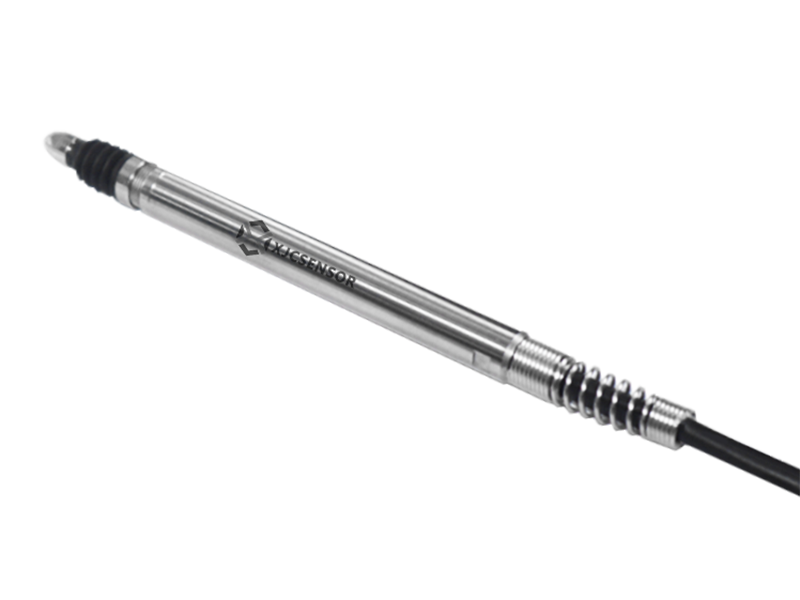
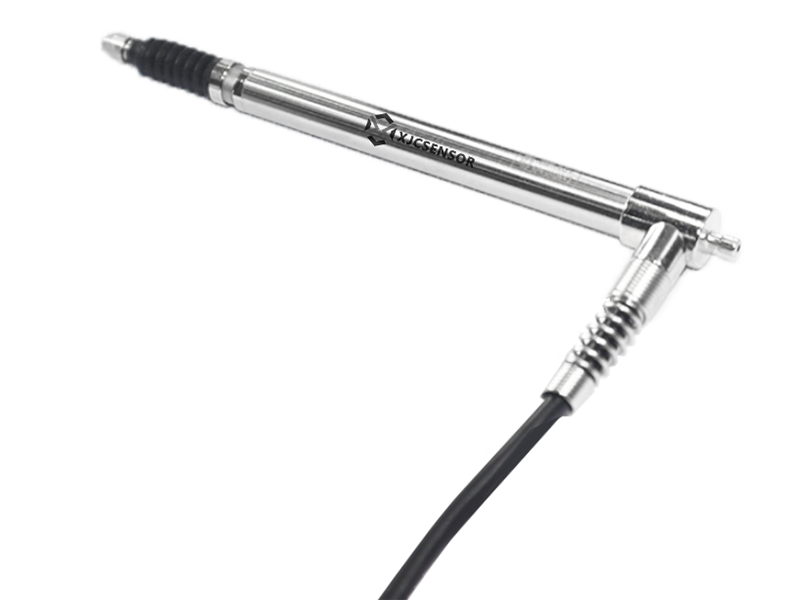
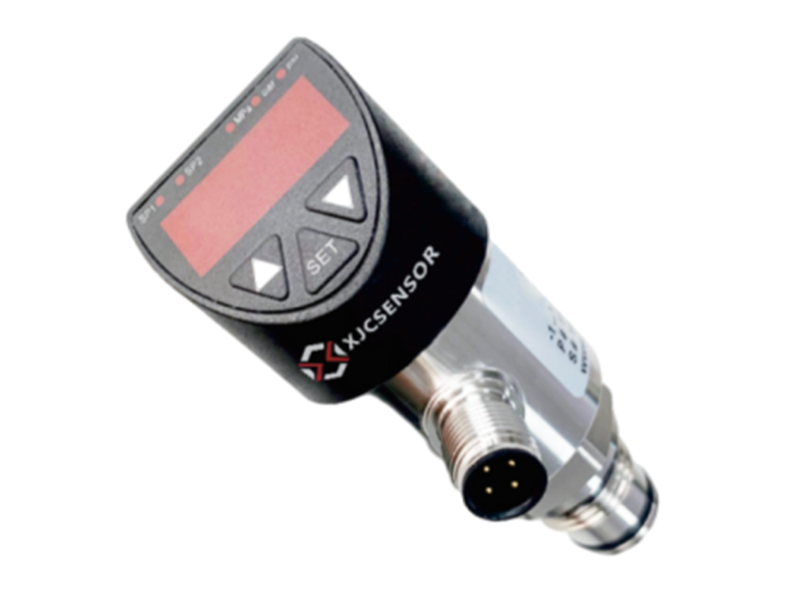
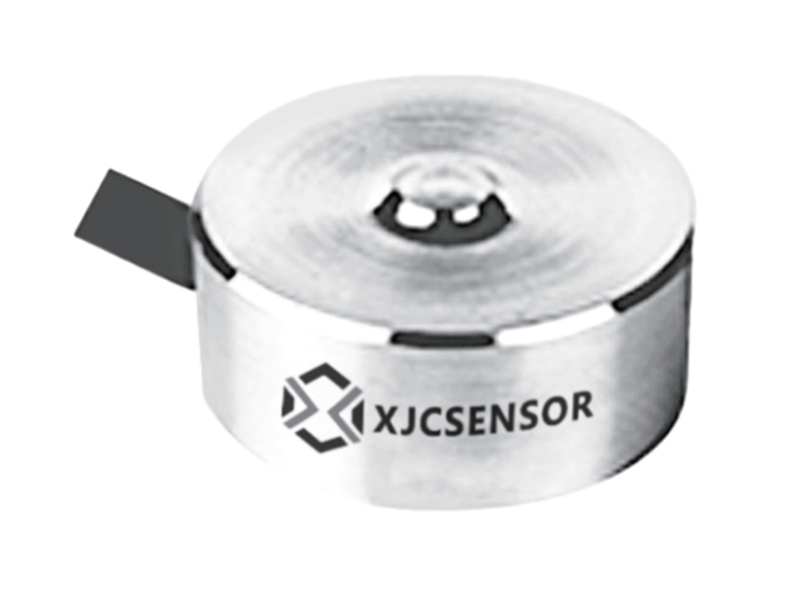
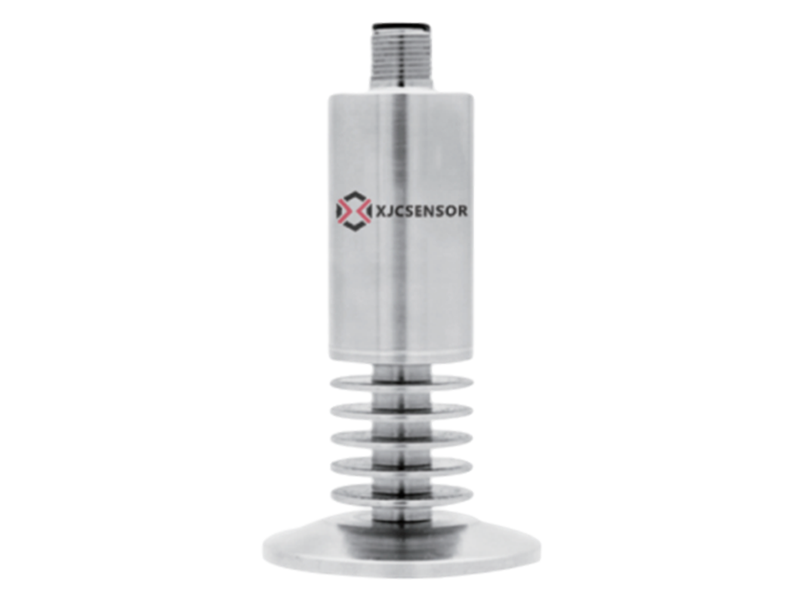
Vacuum pressure sensors are devices that help measure the pressure of gases in a vacuum. They are important tools in many industries, from manufacturing to healthcare. These sensors work by detecting the amount of pressure in a closed space, which can be very low. When the pressure goes down, it means there is less air or gas in that space. This water pressure sensor information is crucial for processes that require a vacuum, like in making certain products or in scientific experiments. XJCSENSOR is a brand that makes high-quality vacuum pressure sensors, ensuring that industries have the tools they need to operate safely and efficiently.
What Are the Key Features of High-Quality Vacuum Pressure Sensors? High-quality vacuum pressure sensors have several key features that set them apart. First, accuracy is very important. A good sensor should provide precise readings of pressure changes, even the smallest ones. This helps businesses make sure everything is working correctly. Second, durability matters too. These sensors often work in tough conditions, so they need to be made from strong materials that can handle wear and tear. For example, sensors from XJCSENSOR are built to last, ensuring they perform well over time. Third, a wide measurement range is another important feature. Some processes need to measure very low pressures, while others might require higher readings. High-quality sensors can handle this variety, making them versatile for different applications. Additionally, usability is key. Sensors that are easy to install and operate save time and reduce the chance of mistakes. Finally, good customer support and warranty are essential. If something goes wrong, having a company like XJCSENSOR that stands behind its products makes a big difference. They provide support when needed, ensuring customers can always rely on their equipment.
What are the Common Usage Issues with Vacuum Pressure Sensors?
What are the Common Usage Issues with Vacuum Pressure Sensors? Despite their usefulness, vacuum pressure sensors can come with some common problems. One issue is calibration. If a sensor is not properly calibrated, it can give incorrect readings. This high pressure sensor can lead to mistakes in processes that depend on accurate pressure measurements. Another problem is sensitivity to temperature changes. Vacuum pressure sensors can be affected by extreme temperatures, which can change how they read pressure. For example, if a sensor gets too hot or too cold, it may not work right. Also, contamination is a concern. Dust or other particles can interfere with the sensor's ability to measure pressure accurately. This is especially true in industrial settings where dirt is common. Moreover, installation errors can happen. If a sensor is not placed correctly, it might not function properly. It’s important to follow the instructions carefully. Lastly, sometimes users just don’t know how to read the data correctly. This can lead to confusion and mistakes in decision-making. Companies like XJCSENSOR work hard to provide clear instructions and support to help users avoid these issues and maximize the performance of their vacuum pressure sensors.
Vacuum pressure sensors are important tools used in many factories and industrial places. These sensors help measure how much air is inside a container or machine. When there is a vacuum, it means there is very little air. This is important for processes like packaging food or making certain products. When a vacuum is created, it helps keep things fresh and safe. XJCSENSOR makes high-quality vacuum pressure sensors that help companies work better. By using these sensors, companies can check if the vacuum is strong enough. If it is not, they can fix it right away. This helps save time and materials. Instead of wasting energy on machines that are not working well, companies can find problems early. This means they can keep everything running smoothly and avoid big issues later on.
-
How Vacuum Pressure Sensors Improve Efficiency in Industrial Applications?
When companies use vacuum pressure sensors from XJCSENSOR, they can also save money. By making sure everything is working right, they can reduce waste. For example, if a package is not sealed properly because the vacuum pressure is low, the product might spoil. This could mean throwing away food or other items, which costs money. With accurate readings from vacuum pressure sensors, workers can make adjustments quickly. This means products are made faster and with fewer mistakes. In turn, this helps companies produce more in less time. Overall, using vacuum pressure sensors improves efficiency. They help companies save money, time, and resources while making sure everything stays high quality.
-
How to Ensure Accurate Readings with Vacuum Pressure Sensors?
To make sure vacuum pressure sensors give accurate readings, it is important to take good care of them. First, it is necessary to install the sensors correctly. If they are not set up right, they might not work well. XJCSENSOR’s vacuum pressure sensors come with clear instructions for installation. It is important to follow these steps closely. If the sensor is placed in a dirty or wet area, it can get damaged. Keeping the sensor clean and dry will help it work better. Regular checks are also important. Just like any tool, vacuum pressure sensors need to be looked after. Checking them frequently can help spot any problems early.
-
How to Troubleshoot Common Problems with Vacuum Pressure Sensors?
Calibration is another key part of getting accurate readings. Calibration means adjusting the sensor to make sure it measures correctly. XJCSENSOR vacuum pressure sensors can be calibrated using special tools or by following guidelines. Doing this at regular intervals ensures that the sensor remains accurate over time. If a sensor gives wrong readings, it can lead to big problems. For example, if a sensor says there is a strong vacuum when there really isn’t, it can cause products to get damaged. This is why calibration is so important. Another way to ensure accuracy is by training workers on how to use the sensors. When workers know how to read the sensors properly, they can catch mistakes and fix them quickly. This low pressure sensor keeps everything running smoothly and helps companies maintain high standards.
Why choose XJCSENSOR Vacuum pressure sensor?
Not finding what you're looking for?
Contact our consultants for more available products.
Request A Quote Now











Copyright ◎ 2025 XJCSENSOR


