


 EN
EN
 EN
EN AR
AR DA
DA NL
NL FI
FI FR
FR DE
DE EL
EL HI
HI IT
IT JA
JA KO
KO PL
PL PT
PT RU
RU ES
ES SV
SV IW
IW ID
ID SK
SK UK
UK VI
VI TH
TH TR
TR MS
MS KK
KK
Home > showlist
Low pressure sensor
Low pressure sensors offer many benefits in industrial settings. First, they help ensure safety. For example, in factories that use gas, if the pressure drops too low, it could mean a leak. The sensor can quickly alert workers to check the system, preventing dangerous situations. Second, these sensors can improve efficiency. When a machine operates at the right pressure, it works better and uses less energy. This can save companies money in the long run. For instance, a low pressure sensor in a water treatment plant can help maintain the right pressure in pipes. This means cleaner water and less waste. Another benefit is that low pressure sensors can help with maintenance. They give early warnings when something might be wrong. If a machine is not performing well, the sensor can indicate low pressure, prompting a check-up before a bigger problem arises. This c1a08 1c pressure sensor supply proactive approach saves time and resources. Moreover, using these sensors can help companies meet regulations. Many industries have strict rules about pressure levels, and sensors help ensure these are followed. XJCSENSOR’s low pressure sensors are designed to meet these industry standards, making them a smart choice for many businesses. In a world where safety and efficiency matter, low pressure sensors play a key role in keeping operations running smoothly.
Even though low pressure sensors are very helpful, they can face some issues in their use. One common problem is false readings. Sometimes, a sensor might show low pressure when it’s actually fine. This can happen because of dirt or dust on the sensor. To solve this, regular cleaning is important. Keeping the sensor clean ensures it works correctly. Another issue can be improper installation. If a sensor is not installed correctly, it might not measure pressure accurately. It’s crucial to follow the installation guidelines provided by manufacturers like XJCSENSOR. This way, users can avoid mistakes that lead to problems. Temperature changes can also affect sensor readings. For instance, if it’s too hot or too cold, the sensor might not work well. Placing the sensors in areas with stable temperatures can help. Additionally, users should check the compatibility of their sensors with different fluids or gases. Some sensors are designed for specific uses, and using them in the wrong environment can lead to damage. Lastly, regular maintenance is key. Scheduling routine checks can help identify issues before they become serious. By being proactive, businesses can keep their sensors working properly. Understanding these common issues and knowing how to address them can lead to better performance and longer-lasting sensors.
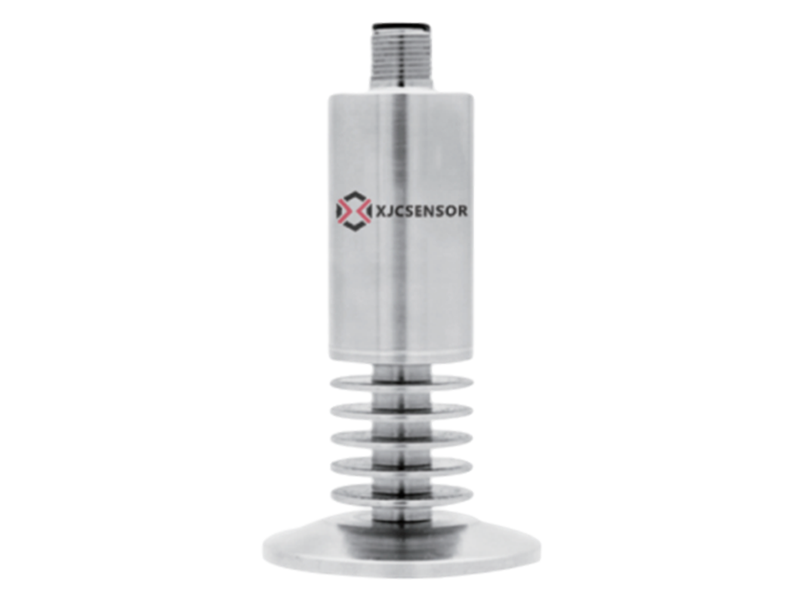
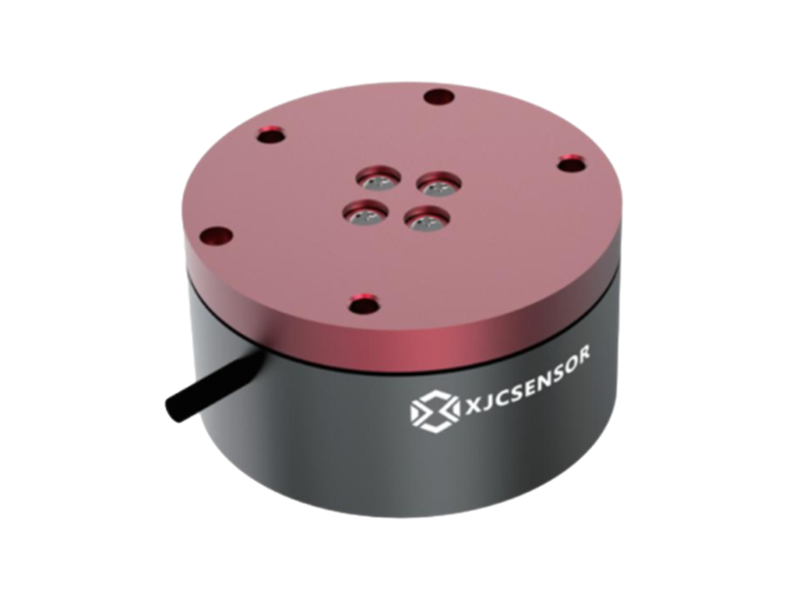
Common Usage Issues with Low Pressure Sensors and How to Solve Them
Low pressure sensors are important tools that help keep us safe in many places. These sensors measure the amount of pressure in a system, like in pipelines, tanks, and even in our homes. When the pressure is too low, it can mean there is a problem, like a leak. For example, in gas pipelines, low pressure sensors can detect if there is a leak. If the pressure drops too much, the sensor sends a signal to shut off the gas. This helps prevent accidents, like fires or explosions. In hospitals, low pressure sensors are used in medical equipment. They can monitor the pressure in oxygen tanks. If the pressure is too low, the equipment will alert doctors. This is very important because patients need the right amount of oxygen to breathe.
Low pressure sensors also help in heating and cooling systems, like air conditioners and heaters. If the pressure in these systems gets too low, it can cause the system to break down. By using low pressure sensors, these systems can be monitored closely. If there is a problem, the sensors can alert the homeowners or maintenance workers to fix it before it becomes a bigger issue. This not only keeps people safe but also saves money on repairs. Companies like XJCSENSOR digital water pressure sensor make reliable low pressure sensors that can be used in many different applications. These sensors are designed to be accurate and long-lasting, making them a great choice for anyone who needs to monitor pressure levels. In summary, low pressure sensors improve safety in many ways, from protecting us at home to ensuring medical equipment works correctly.
-
How Low Pressure Sensors Improve Safety in Various Applications
Local hardware stores might also sell low pressure sensors, but they might not have a wide selection. If you need a lot of sensors, it’s better to look online or go directly to a manufacturer. Online shopping allows you to compare prices and find the best deals. When buying in bulk, make sure to check the quality of the sensors. You want to ensure they are reliable and accurate. XJCSENSOR provides high-quality pressure sensor that you can trust. Look for reviews or ratings from other customers to help you decide. Some websites also offer free shipping for bulk orders, which can save you even more money. buying low pressure sensors in bulk is a great way to save money. Whether you shop online or contact manufacturers directly, you can find affordable options that fit your needs.
-
Where to Buy Affordable Low Pressure Sensors in Bulk
There are many misunderstandings about low pressure sensors and how they work. One common misconception is that low pressure sensors are only used in industrial settings. While it is true that factories and large companies use them, low pressure sensors are also found in everyday life. For example, many home appliances, like refrigerators and air conditioners, use these sensors to maintain the right pressure. Another misconception is that low pressure sensors are complicated and hard to use. In reality, they are designed to be easy to install and operate. Most pressure sensing device come with clear instructions, so even people without a technical background can use them.
-
Common Misconceptions About Low Pressure Sensors and Their Applications
Some people think that low pressure sensors are not very accurate. However, companies like XJCSENSOR produce high-quality sensors that provide precise measurements. These sensors are tested to ensure they work well in different conditions. Another myth is that low pressure sensors are too expensive. While some sensors can be costly, there are many affordable options on the market. Buying in bulk or looking for discounts can help make them more budget-friendly. Lastly, many believe that low pressure sensors only measure pressure in gases. In fact, they can also measure the pressure of liquids. This makes them useful in various applications, from agriculture to healthcare.
Why choose XJCSENSOR Low pressure sensor?
Not finding what you're looking for?
Contact our consultants for more available products.
Request A Quote Now











Copyright ◎ 2025 XJCSENSOR


