EN
EN
 EN
EN AR
AR DA
DA NL
NL FI
FI FR
FR DE
DE EL
EL HI
HI IT
IT JA
JA KO
KO PL
PL PT
PT RU
RU ES
ES SV
SV IW
IW ID
ID SK
SK UK
UK VI
VI TH
TH TR
TR MS
MS KK
KKHow Six-Axis Force Sensors Elevate Lithium Battery Handling Robots: Breaking Through Key Challenges
Date: 2025-11-25 Views: 3235 Author:



Table of Contents
Precision Sensing: Overcoming the "Blind Spots" of Traditional HandlingPure Decoupling Structure: Achieving High Accuracy and StabilityIntelligent Response: Enabling Flexible and Adaptive OperationsThe Future: Building Safer and Smarter Lithium Battery Production
With the rapid growth of the new energy sector, lithium batteries have emerged as a core power source, driving the need for higher levels of automation and intelligence in their production. Among the various stages of battery manufacturing, material handling—connecting cell, module, and pack assembly—plays a critical role in defining both product quality and operational safety.
Traditional handling robots, which rely solely on position control, lack the ability to perceive and adapt to force variations. This limitation makes it difficult to meet the high-precision and safety demands of lithium battery production. However, the introduction of six-axis force sensors is fundamentally transforming this process, empowering robots with advanced force-sensing intelligence.
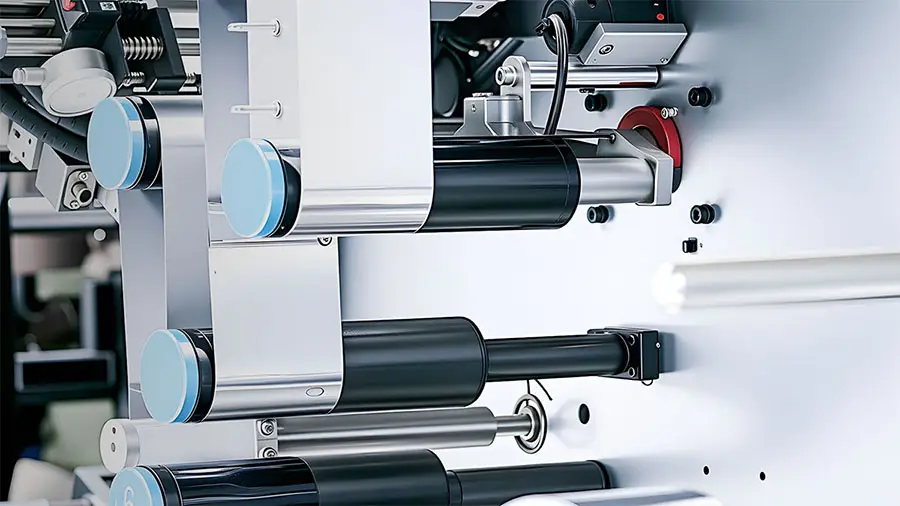
Precision Sensing: Overcoming the "Blind Spots" of Traditional Handling
Lithium batteries are characterized by high energy density and a tendency to be highly flammable. Any mishandling—such as excessive gripping force, misalignment, or accidental impact—can cause casing damage, leading to short circuits, leakage, or even thermal runaway.
Conventional robotic systems often operate based on predefined paths and rigid programming. Without real-time force feedback, they cannot detect or adapt to small deviations or unexpected obstacles.
This is where the six-axis force sensor comes into play. By accurately measuring forces along the X, Y, and Z axes and moments around each axis, it provides full six-degree-of-freedom (6-DoF) force and torque data. This capability gives robots a sense of "touch," allowing them to:
● Detect the magnitude and direction of contact forces
● Dynamically adjust grip strength and positioning
● Prevent cell damage caused by overloading or misalignment
As a result, these sensors significantly enhance both operational safety and production yield.

Pure Decoupling Structure: Achieving High Accuracy and Stability
A major challenge in multi-axis force sensing is cross-talk —the interference where force applied in one direction affects measurements in others.
Through 16 years of focused R&D in mechanical sensing, our company has developed a pure decoupling mechanical structure. By optimizing elastomer design and strain gauge arrangement, we have significantly reduced inter-axis interference. This ensures independent and accurate output of force and torque signals, with measurement accuracy reaching 0.5% FS and repeatability better than 0.1%.
Additionally, the sensor incorporates:
● Full temperature compensation algorithms
● High-sealing enclosure technology
These features enable stable and reliable performance even in harsh industrial environments ranging from -10°C to 60°C, with strong resistance to vibration and electromagnetic interference. This makes the sensor ideal for round-the-clock lithium battery production.
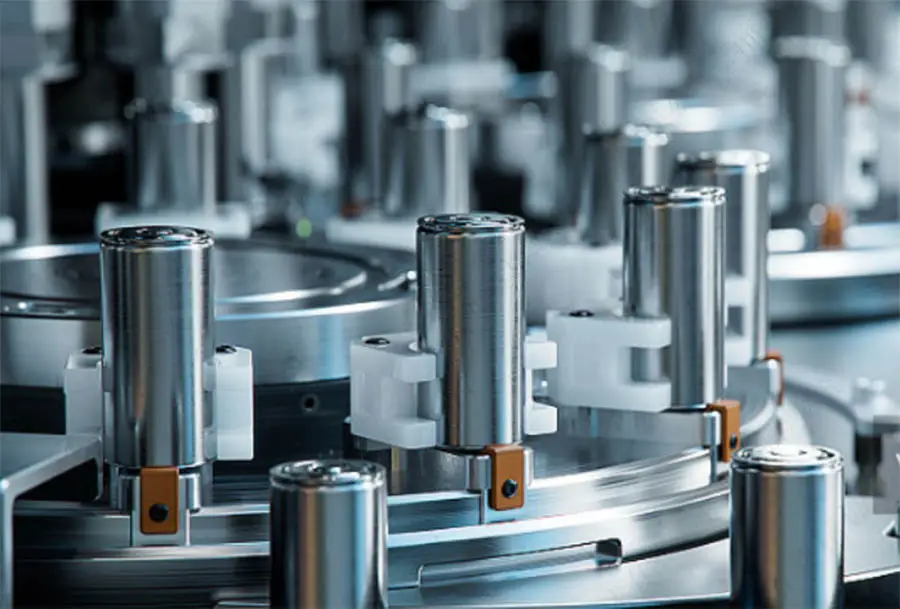
Intelligent Response: Enabling Flexible and Adaptive Operations
Equipped with a six-axis force sensor, handling robots gain three core capabilities:
1. Smart Gripping
a. Real-time monitoring of grip force
b. Automatic adjustment of clamping pressure
c. Gentle and secure handling without scratching or slipping
2. Collision Detection and Avoidance
a. Millisecond-level detection of abnormal force changes
b. Immediate emergency stop or evasion upon collision
c. Protection for both equipment and battery packs
3. Assembly Guidance
a. Force-controlled "compliant insertion" for module stacking and pack assembly
b. Automatic compensation for misalignment
c. Improved first-pass success rate
Moreover, the force data collected by the sensors can be integrated into MES (Manufacturing Execution Systems) for process optimization and quality traceability, supporting smarter, data-driven manufacturing management.
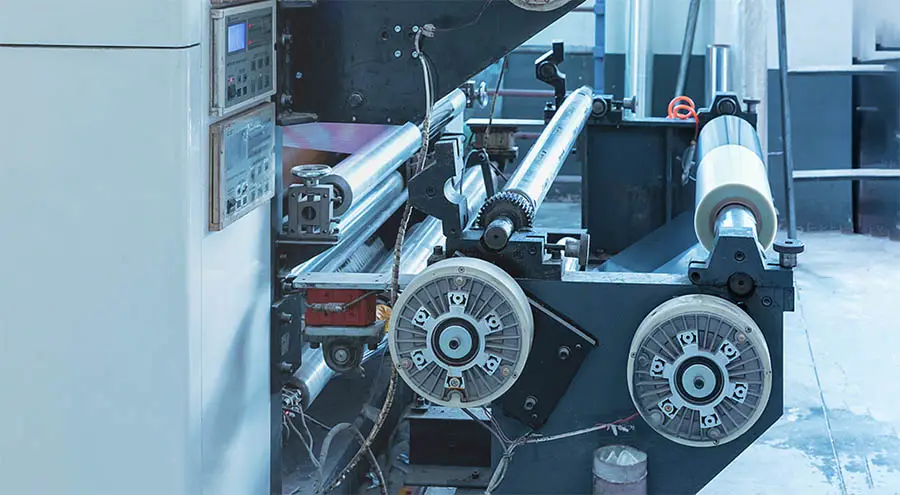
The Future: Building Safer and Smarter Lithium Battery Production
As global lithium battery production capacity continues to expand, the demand for more reliable and intelligent automation systems will only grow.
Six-axis force sensors not only address the critical "force control" challenges in battery handling but also serve as a key enabler for robotic intelligence—thanks to their high precision, reliability, and ease of integration.
Looking ahead, we will continue to innovate in force-sensing technology and expand applications in areas such as collaborative robots (cobots) and AGV-assisted handling—delivering even safer, more efficient, and intelligent solutions for the new energy industry.
Founded in 2009, XJCSENSOR is a leading manufacturer of force sensors and force-control solutions. Our portfolio covers miniature pressure, weighing, multi-axis force, and torque sensors, as well as customized designs and integrated force-control systems.
Recommended
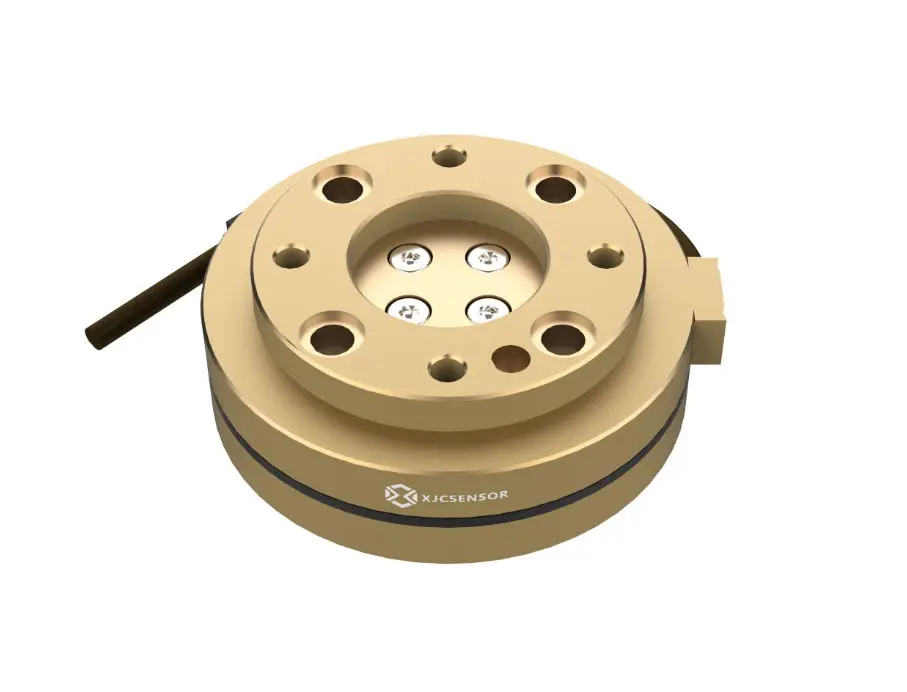
Next-generation multi-axis sensor for precision robotic applications

How Six-Axis Force Sensors Elevate Lithium Battery Handling Robots: Breaking Through Key Challenges
Solid-State Batteries Drive Demand for High-Range Equipment: XJCSENSOR Steps Up
6-Axis Force/Torque Sensors: Accelerating the Development of Humanoid Robots
Copyright ◎ 2025 XJCSENSOR