


 EN
EN
 EN
EN AR
AR DA
DA NL
NL FI
FI FR
FR DE
DE EL
EL HI
HI IT
IT JA
JA KO
KO PL
PL PT
PT RU
RU ES
ES SV
SV IW
IW ID
ID SK
SK UK
UK VI
VI TH
TH TR
TR MS
MS KK
KK
Home > showlist
Strain gauge sensor
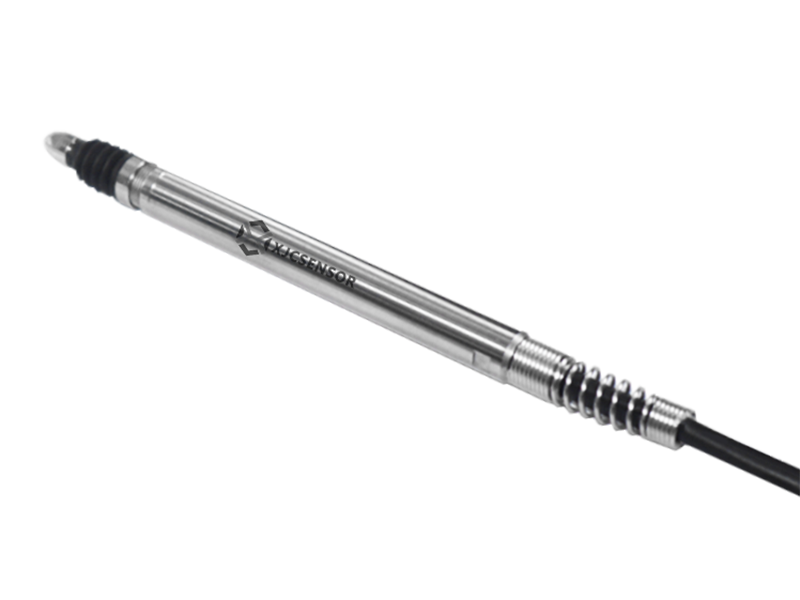
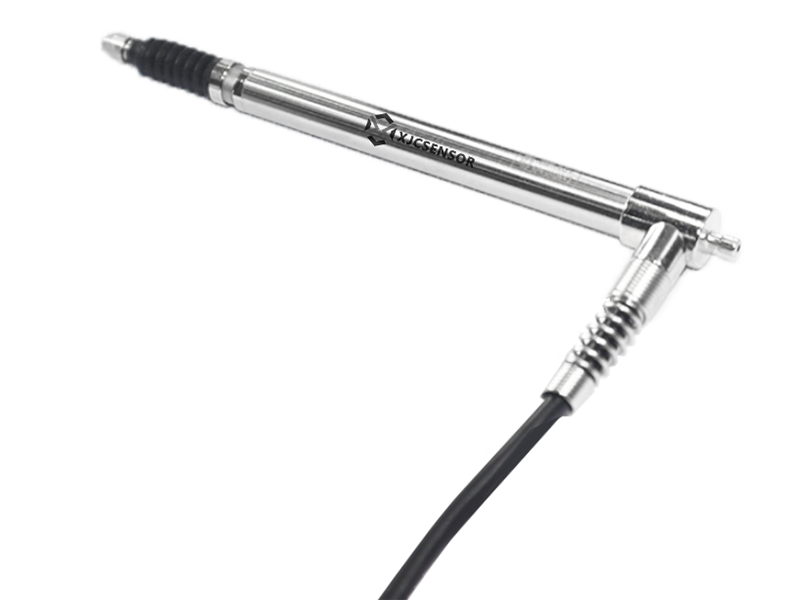
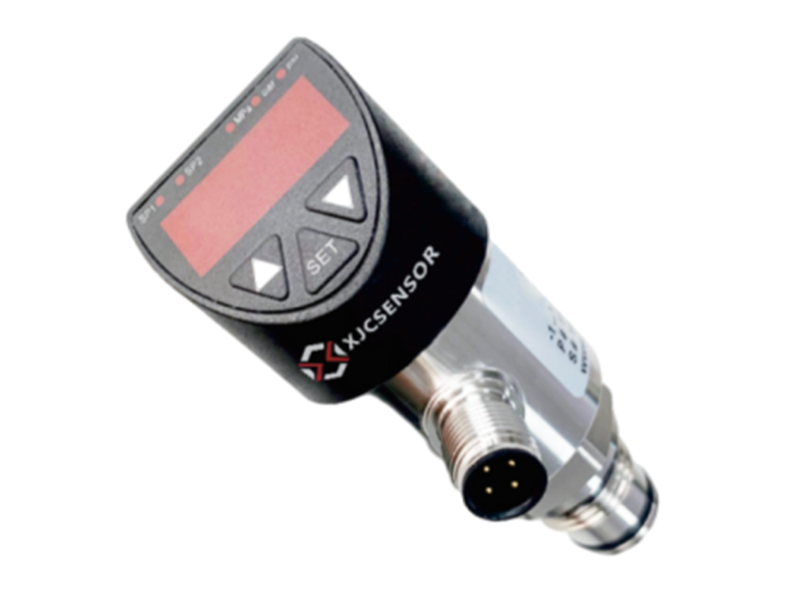
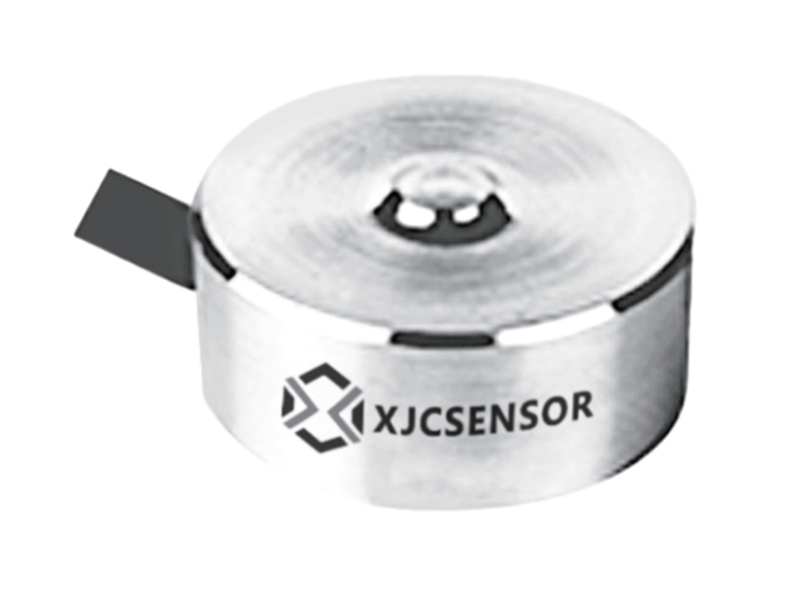
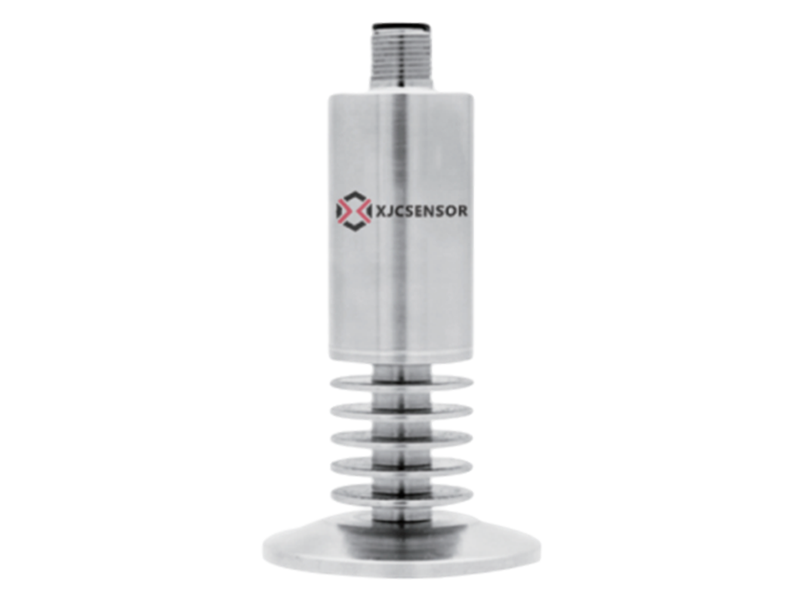
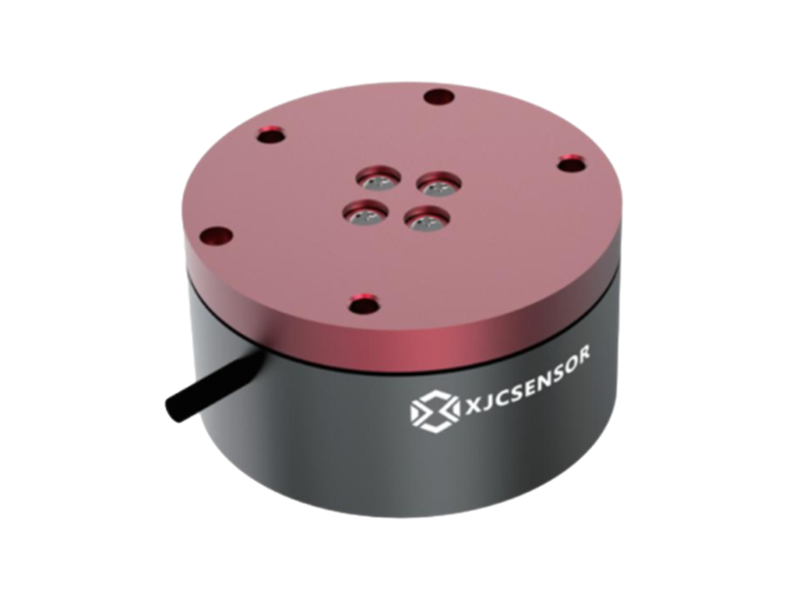
Strain gauge sensors are important tools used in many industries. force gauge compression help measure how much something stretches or bends when a force is applied. For example, they can be used in bridges to see how much weight they can hold. When pressure is put on an object, the strain gauge senses this change. The sensor then sends a signal that can be read by machines or computers. XJCSENSOR makes high-quality strain gauge sensors. They are used in various fields, from construction to manufacturing, where knowing how materials behave under stress is crucial.
Where to Find the Best Deals on Strain Gauge Sensors for Bulk Purchases?
When buying strain gauge sensors, quality and price are very important. First, look for durability. The sensor should withstand tough conditions, like heat or moisture. If you plan to use it in a factory, it needs to work reliably in different temperatures and environments. Next, consider accuracy. A good strain gauge sensor must give precise readings. If it is not accurate, torque spec can lead to big mistakes. Also, check the sensitivity. This tells you how much change in pressure the sensor can detect. A more sensitive sensor can measure small changes, which is helpful in many applications. Now, let’s talk about price. While you want to save money, don't just choose the cheapest option. Sometimes, a higher price means better quality. Think about the long-term. A more expensive, high-quality sensor might save you money in repairs and replacements down the road. It’s also wise to read reviews or ask for recommendations. Hearing from other users can help you understand the best options available. Lastly, consider the support from the manufacturer. A company like XJCSENSOR should provide good customer service and help if you need it. When you find a balance between quality and price, you will be happy with your purchase.
-
Common Usage Issues with Strain Gauge Sensors and How to Resolve Them
If you need many strain gauge sensors, buying in bulk can save you money. One of the best places to start is with XJCSENSOR itself. torque electrico often have special offers or discounts for bulk purchases. Check their website or contact their sales team. Another option is to look for online marketplaces that specialize in industrial equipment. Websites that focus on manufacturing tools often have competitive prices. You may also find seasonal sales, especially during events like Black Friday or Cyber Monday. It’s worth keeping an eye out for these times to grab a deal. Additionally, joining industry groups or forums can help. Sometimes, members share information about discounts or sales from different manufacturers. Networking with other professionals can lead to great savings. Don’t forget about local suppliers. Sometimes, they have deals that online stores do not. Visiting a local supplier can also give you a chance to see the products in person. This way, you can ask questions and get advice directly. Finally, always compare prices. It might take some time, but checking multiple sources can help you find the best deal. Buying strain gauge sensors in bulk doesn’t have to be hard. With a bit of research, you can find the best options that fit your needs and budget.
-
What Makes Strain Gauge Sensors Essential for Accurate Measurements?
Strain gauge sensors are useful tools that help measure how much something stretches or shrinks when force is applied. However, using these sensors can come with some challenges. One common issue is that if the sensor is not installed correctly, it might not give accurate readings. For example, if the sensor is not attached flat to the surface it is measuring, it can pick up wrong information. To fix this, it is very important to carefully follow the instructions when installing the sensor. Another problem can be temperature changes. Strain gauges can react to temperature changes, which may cause them to give incorrect data. To solve this, you can use special materials or designs that help reduce the effects of temperature on the sensor. Sometimes, strain gauge sensors can also be affected by electrical noise. This is when other electrical signals interfere with the sensor’s readings, making them less reliable. To help with this, you can use good quality wires and connectors that protect the sensor from noise. Regular maintenance is also important. If a strain gauge sensor is dirty or damaged, it can lead to poor performance. Keeping the sensors clean and checking them often can help make sure they work well. If any problems are found, they should be fixed right away to avoid getting wrong readings. At XJCSENSOR, we provide guidance on how to install and maintain strain gauge sensors to help users get the best results. By being aware of these common issues and how to fix them, anyone can use strain gauge sensors effectively and get the right measurements they need.
-
What Innovations Are Shaping the Future of Strain Gauge Sensor Technology?
Strain gauge sensors are very important because they help us understand how materials behave under pressure. These sensors work by changing their electrical resistance when they are stretched or compressed. This change in resistance can be measured and converted into a readable number. This helps engineers and scientists accurately measure how strong or weak a material is. For example, in construction, knowing how much a bridge can bend or stretch is crucial to ensure safety. If a bridge can hold the weight of cars and trucks without breaking, it is safe for people to use. Using strain gauges helps builders know that their structures are strong enough. Another reason strain gauge sensors are essential is that they can be used in many different fields. They can be found in cars, airplanes, and even medical equipment. In cars, these sensors help monitor how the body of the car flexes while driving, making sure it stays safe. In airplanes, strain gauges help check the wings and body to ensure they can handle the forces of flying. In medicine, they can even help monitor how much pressure is applied to a patient’s body during surgery. This versatility shows just how important strain gauge sensors are for making sure everything works as it should. At XJCSENSOR, we focus on creating high-quality strain gauge sensors that help industries get accurate measurements. This accuracy is essential for safety, performance, and innovation. Without reliable strain gauge sensors, it would be much harder to build safe structures or create new technologies.
Why choose XJCSENSOR Strain gauge sensor?
Not finding what you're looking for?
Contact our consultants for more available products.
Request A Quote Now











Copyright ◎ 2025 XJCSENSOR


