


 EN
EN
 EN
EN AR
AR DA
DA NL
NL FI
FI FR
FR DE
DE EL
EL HI
HI IT
IT JA
JA KO
KO PL
PL PT
PT RU
RU ES
ES SV
SV IW
IW ID
ID SK
SK UK
UK VI
VI TH
TH TR
TR MS
MS KK
KK
Home > showlist
Shaft torque sensor
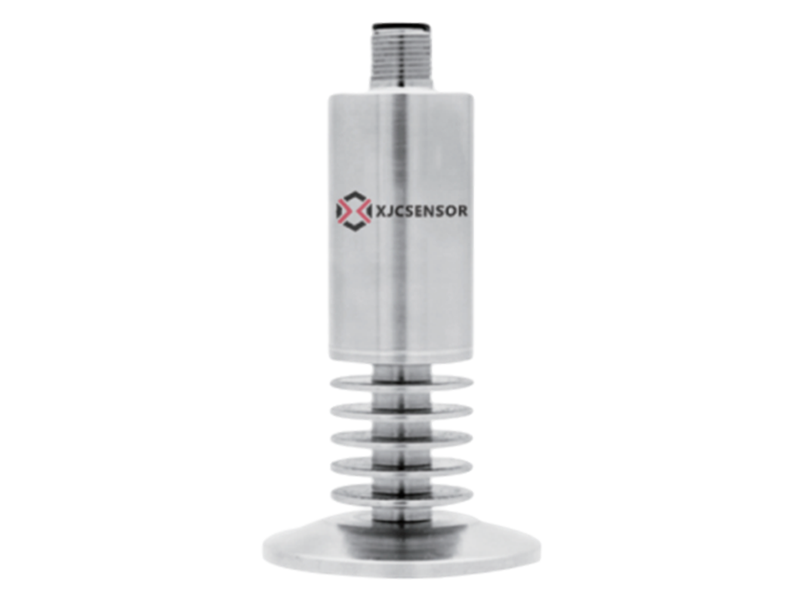
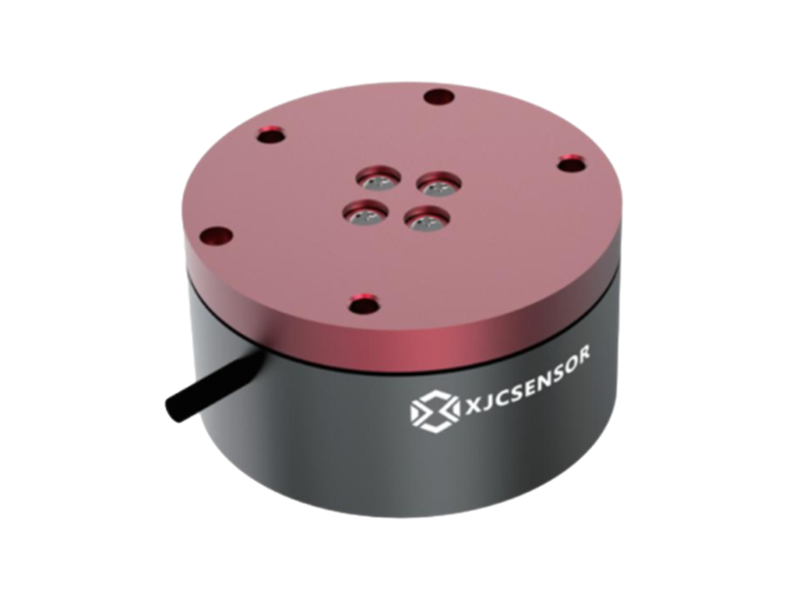
Shaft torque sensors are important tools used in many machines and vehicles. They measure how much twisting force, or torque, is applied to a shaft. This torque spec is crucial because knowing the torque helps engineers and operators understand how well a machine is working. For example, if a car's engine is producing too much torque, it may indicate a problem that needs fixing. XJCSENSOR specializes in making high-quality shaft torque sensors that help many industries. These sensors ensure that machines run smoothly and efficiently, which is good for businesses and the environment.
Choosing the right shaft torque sensor for your application can be a bit tricky. First, think about what you need it for. Are you using it in a car, a factory machine, or maybe a wind turbine? Different machines have different torque needs. For heavy machines, you might need a sensor that can handle more torque. You should also look at the sensor's size. If it’s too big or too small, it won't fit properly. Another important thing is the sensor's sensitivity. A more sensitive sensor can detect smaller changes in torque, which is helpful in precise applications. Don't forget about how easy it is to install and use. Some sensors are complicated, while others are user-friendly. You want something that your team can work with easily. XJCSENSOR offers a range of options, so you can find the best fit for your specific needs.
Common Usage Issues with Shaft Torque Sensors and How to Resolve Them
Sometimes, people face issues when using shaft torque sensors. One common problem is getting inaccurate readings. This transductor de torque can happen if the sensor is damaged or not properly calibrated. If a sensor is showing values that seem off, it's important to check it against a known standard. Regular maintenance can help keep the sensor working correctly. Another issue might be environmental factors. Sensors can be affected by temperature changes or vibrations from other machines nearby. To fix this, you might need to shield the sensor from such influences or choose a sensor that can work well in tough environments. Also, make sure to train your team on how to use these sensors properly. With XJCSENSOR, you can get support to help you understand and resolve these common issues. This way, your machines keep running at their best!
If you're looking to buy shaft torque sensors, it's important to find a place that offers good prices and quality products. One great option is to check out XJCSENSOR. They provide a wide variety of shaft torque sensors that can fit different needs. When shopping for these sensors, you should look for a company that sells directly to customers or businesses. This can help you save money because you might find lower prices without extra costs from middlemen.
-
Where to Buy Shaft Torque Sensors at Competitive Wholesale Prices?
Buying in bulk can also help you save money. If you need several sensors for a project or a business, XJCSENSOR often has wholesale deals that make it cheaper per unit. You can also check their website for discounts and special offers. Sometimes, they have sales that can help you get the sensors at an even better price. Another tip is to ask about shipping costs. Some companies offer free shipping when you order a certain amount. This can help you save even more.
-
How to Ensure Accurate Torque Measurements with Shaft Torque Sensors?
Also, consider the environment where the sensor is used. Factors like temperature, humidity, and vibration can affect the readings. Make sure that the sensor is suitable for the conditions it will be in. If you are using it in a noisy environment, for example, you might need additional shielding. Lastly, torque gauge regularly check the sensor for wear and tear. If it gets damaged, it won’t work right. By following these tips, you can ensure that your torque measurements with XJCSENSOR shaft torque sensors are accurate and reliable.
-
What Are the Latest Trends in Shaft Torque Sensor Technology for 2023?
In 2023, there are some exciting new trends in shaft torque sensor technology that you should know about. One big trend is the use of wireless technology. Many new sensors can send data without needing wires. This makes installation easier and reduces clutter. XJCSENSOR is working on sensors that can connect to mobile devices or computers via Bluetooth or Wi-Fi. This allows users to see data in real time, making it easier to monitor torque levels.
Why choose XJCSENSOR Shaft torque sensor?
Not finding what you're looking for?
Contact our consultants for more available products.
Request A Quote Now











Copyright ◎ 2025 XJCSENSOR


