


 EN
EN
 EN
EN AR
AR DA
DA NL
NL FI
FI FR
FR DE
DE EL
EL HI
HI IT
IT JA
JA KO
KO PL
PL PT
PT RU
RU ES
ES SV
SV IW
IW ID
ID SK
SK UK
UK VI
VI TH
TH TR
TR MS
MS KK
KK
Home > showlist
Motor torque sensor
A motor torque sensor is a device that helps measure how much force is being used by a motor. It tells us how strong the motor is working. This sensor is very important in many machines and tools. For example, in cars, it helps know how much power the engine is using. In factories, it can help with robots and other machines that need to work efficiently. XJCSENSOR makes high-quality bafang torque sensor that many industries trust. They help people understand how their machines are working and can help save energy or make machines run better. With a good motor torque sensor, you can see if a motor is working too hard or if it is just right. This information helps in making machines safer and more efficient.
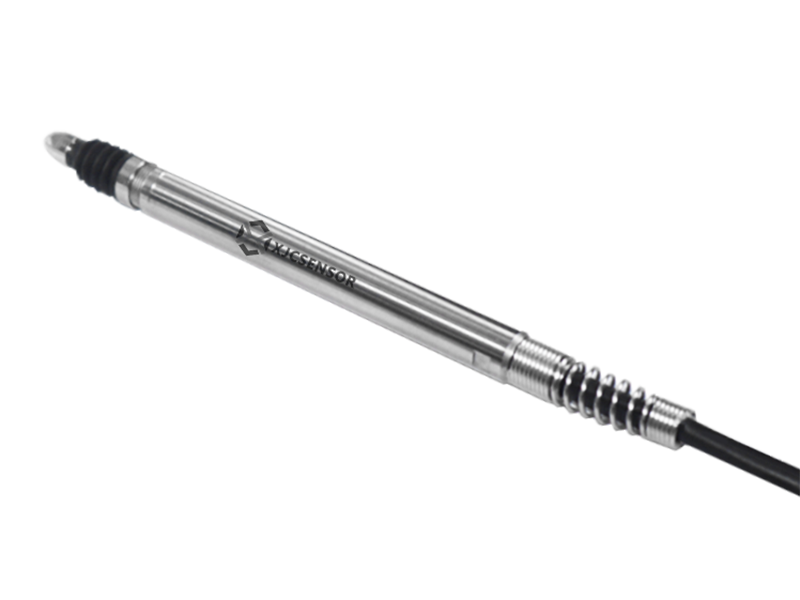
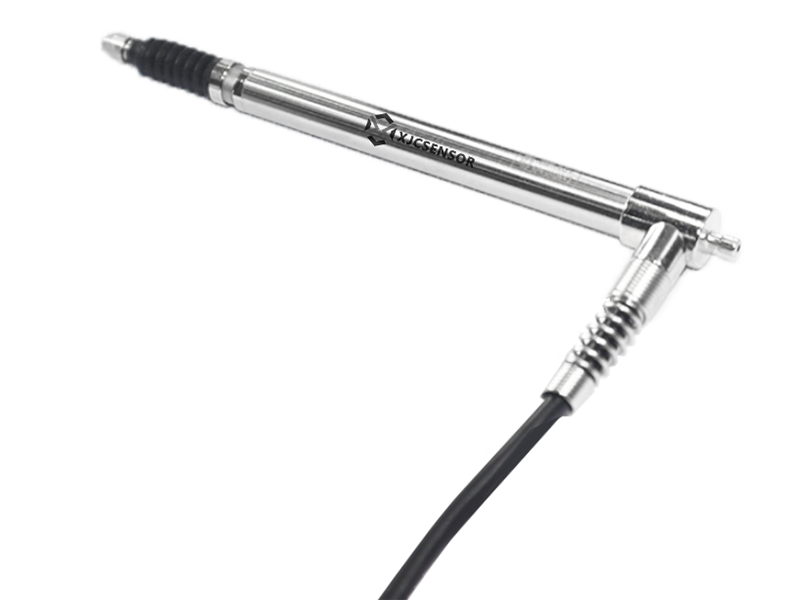
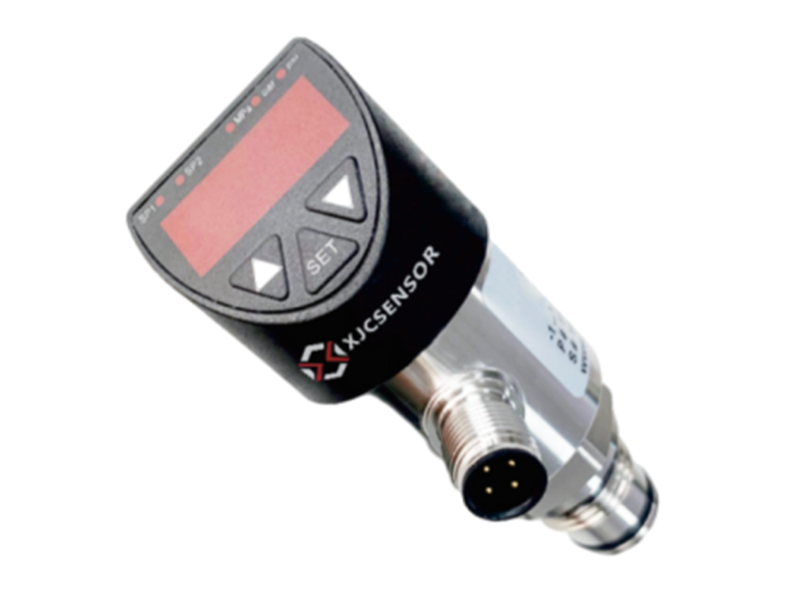
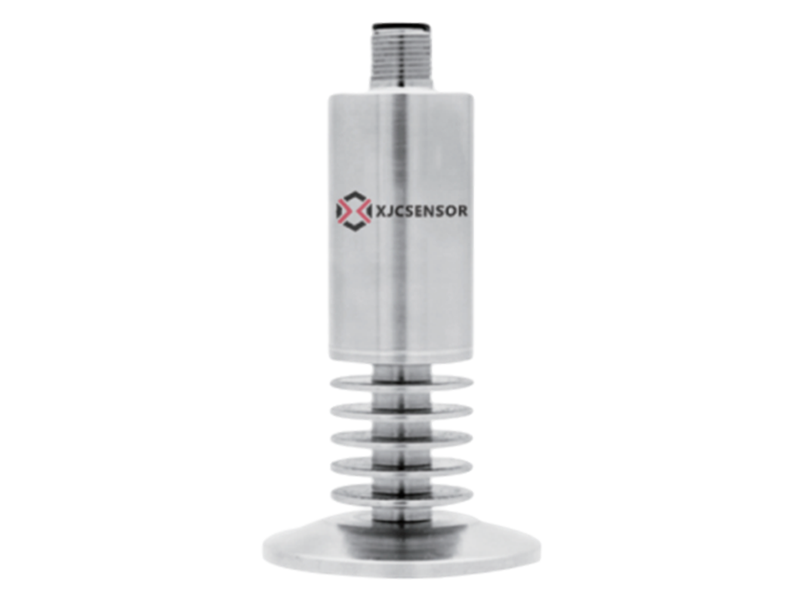
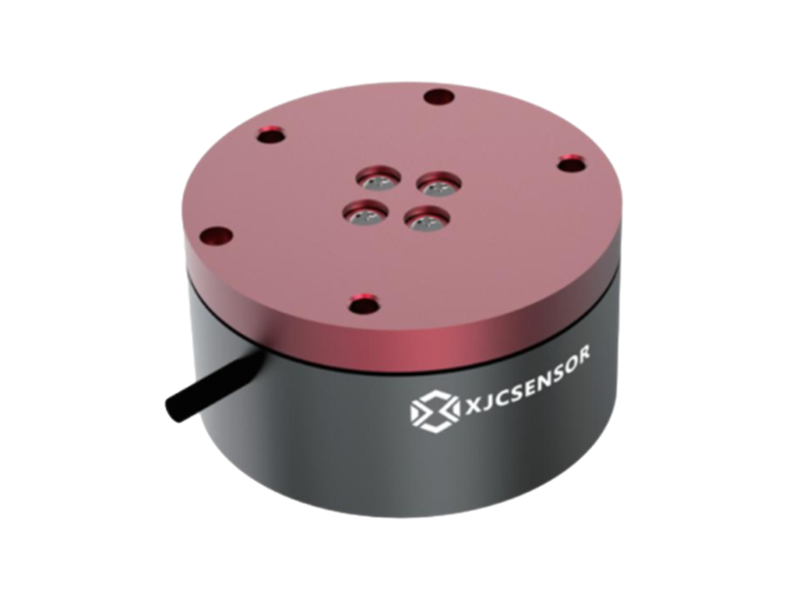
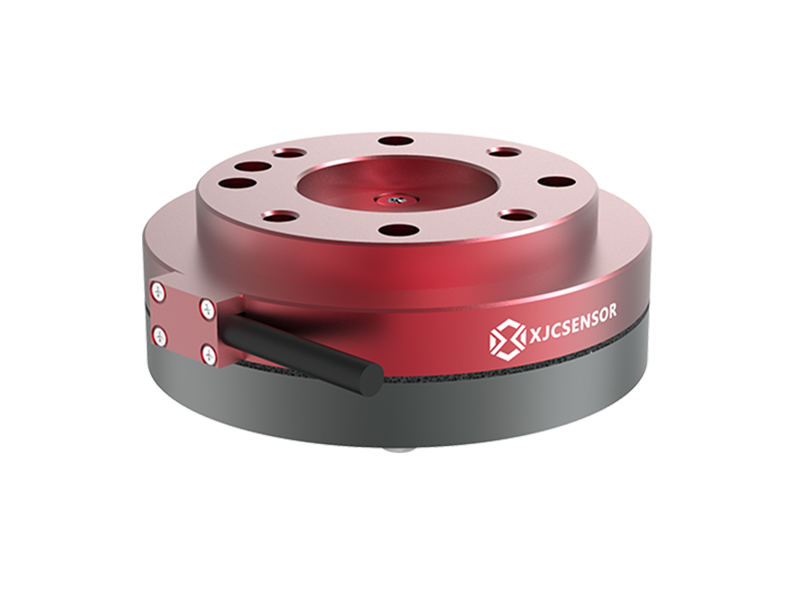
Where to Buy Reliable Motor Torque Sensors in Bulk
A motor torque sensor measures the twisting force or torque that a motor produces. Torque is like the strength of a motor. Imagine trying to twist a jar lid. The harder you twist, the more torque you are using. In motors, torque is important because it shows how much work the motor can do. The sensor picks up this twisting force and sends the information to a computer or display. This helps people see how well their motor is working. For instance, if a motor in a factory is using too much torque, it might be working too hard, which can cause it to break down. On the other hand, if the 3d hall sensor shows low torque, it might mean the motor is not being used to its full potential. XJCSENSOR's sensors are designed to be very accurate, so you can trust the information they provide. They often use special technology to ensure that they can measure torque in tough conditions. This is important for heavy machines that work in factories or outdoor settings. Also, some sensors can send data wirelessly, which makes it easier to monitor motors from a distance. This way, workers can keep an eye on multiple machines at once without being right next to them.
-
What Features Should You Look for in a Motor Torque Sensor?
When picking a motor torque sensor, there are a few things to think about. First, you need to know the size of the motor you will be using. Bigger motors need sensors that can handle more force. If the sensor is too small, it might break or give wrong readings. It is important to check the specifications or details about the sensor. You should also think about the environment where the torque sensor will be used. For example, if it is going to be in a place that gets very hot or very cold, you need a sensor that can work in those conditions. XJCSENSOR offers a range of sensors that can withstand different temperatures and pressures. Another point to consider is whether you need to measure torque continuously or just at certain times. Some sensors are good for constant monitoring, while others are better for occasional checks. If you need quick and easy access to data, consider if you want a wired sensor or a wireless one. Wireless sensors can be more convenient, as they reduce clutter and make installation easier. Lastly, think about the budget. XJCSENSOR has options for different price ranges, so you can find one that fits your needs without breaking the bank. By looking at these factors, you can choose the best motor torque sensor for your specific needs, ensuring your machines run smoothly and efficiently.
-
How to Integrate Motor Torque Sensors into Your Existing Systems
Motor torque sensors are important tools used in factories and other industrial places. They measure how much twisting force, or torque, a motor produces. When machines work with the right amount of torque, they perform better and use less energy. This is where XJCSENSOR comes in. Our motor torque sensors help companies see how well their machines are working. If a motor is using too much torque, it might mean something is wrong. For example, if a machine is stuck or has a problem, it will use more energy to try to move. By using XJCSENSOR's torque sensors, workers can find out about these problems quickly. This means they can fix them before they cause bigger issues. When machines run smoothly, they not only save energy but also make products faster. This is great for businesses because it helps them make more products in less time. Better efficiency can lead to more money for the company. Also, by reducing energy use, companies can help the environment. They use less power, which is good for our planet. XJCSENSOR's motor torque sensors are easy to install and use. They provide real-time data, which means workers can see what's happening with the motor right away. This information helps them make quick decisions. If a motor is working too hard, they can adjust it or turn it off to prevent damage. Overall, using motor torque sensors like those from XJCSENSOR is a smart choice for any factory. It helps machines run better, saves energy, and keeps workers informed.
-
What Are the Latest Trends in Motor Torque Sensor Technology?
When using motor torque sensors, it is important to know how accurate they are. There are several things that can affect their accuracy. First, the design of the sensor itself plays a big role. XJCSENSOR makes sure that their sensors are built with high-quality materials and technology. This helps the sensors give correct readings. Another factor is how well the sensor is installed. If a sensor is not placed correctly, it might not measure torque properly. That is why it's important to follow the instructions carefully when setting it up. Environmental conditions also matter. For example, if a sensor is exposed to extreme temperatures or moisture, it could give incorrect readings. XJCSENSOR designs its sensors to handle different conditions, but it is still a good idea to keep them in a suitable environment. Calibration is another key point. Sensors need to be checked and adjusted regularly to make sure they are reading correctly. XJCSENSOR recommends checking the sensors often, especially if they are used in busy machines. Lastly, the type of motor being measured can also affect accuracy. Different motors can produce different levels of torque, and the sensor needs to be able to read these differences. Using a sensor from XJCSENSOR that is compatible with the specific motor type can help ensure better accuracy. In summary, the accuracy of motor torque sensors is influenced by their design, installation, environmental conditions, calibration, and the type of motor. By paying attention to these factors, users can get the best performance from their XJCSENSOR devices.
Why choose XJCSENSOR Motor torque sensor?
Not finding what you're looking for?
Contact our consultants for more available products.
Request A Quote Now











Copyright ◎ 2025 XJCSENSOR


