


 EN
EN
 EN
EN AR
AR DA
DA NL
NL FI
FI FR
FR DE
DE EL
EL HI
HI IT
IT JA
JA KO
KO PL
PL PT
PT RU
RU ES
ES SV
SV IW
IW ID
ID SK
SK UK
UK VI
VI TH
TH TR
TR MS
MS KK
KK
Home > showlist
Dynamic torque sensor
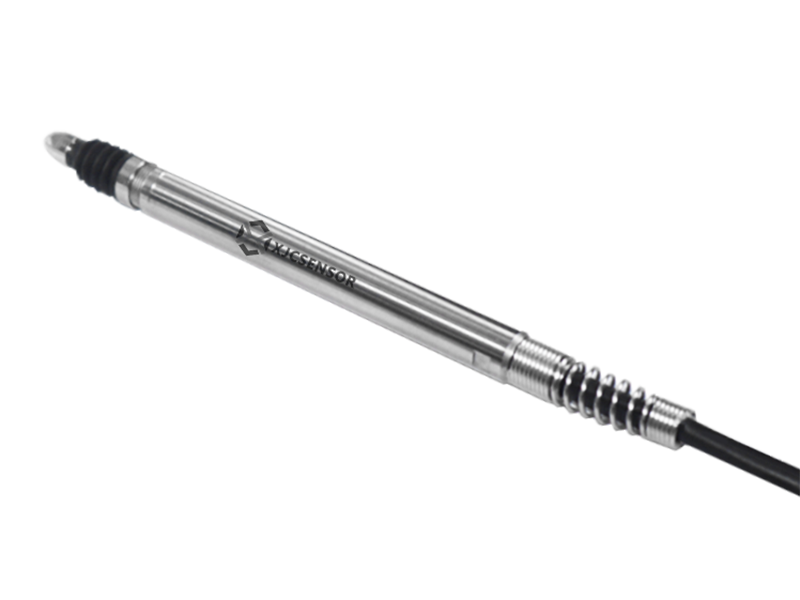
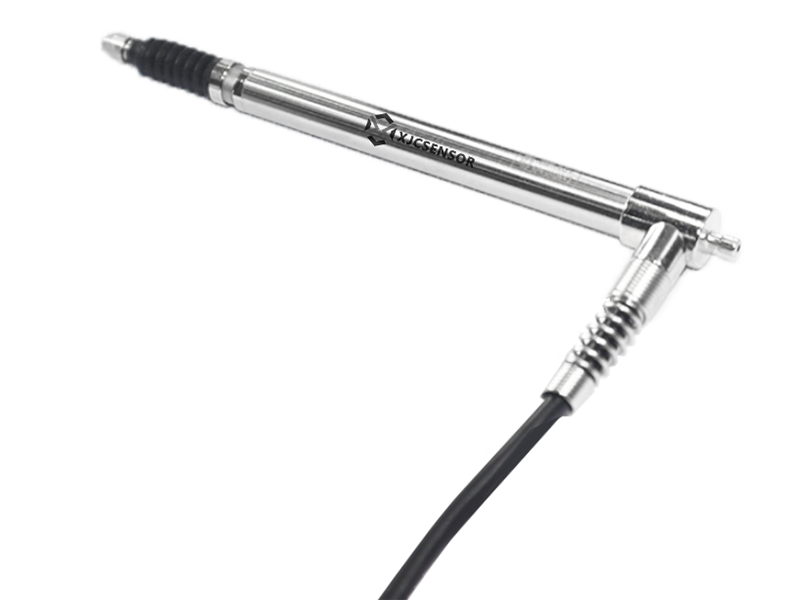
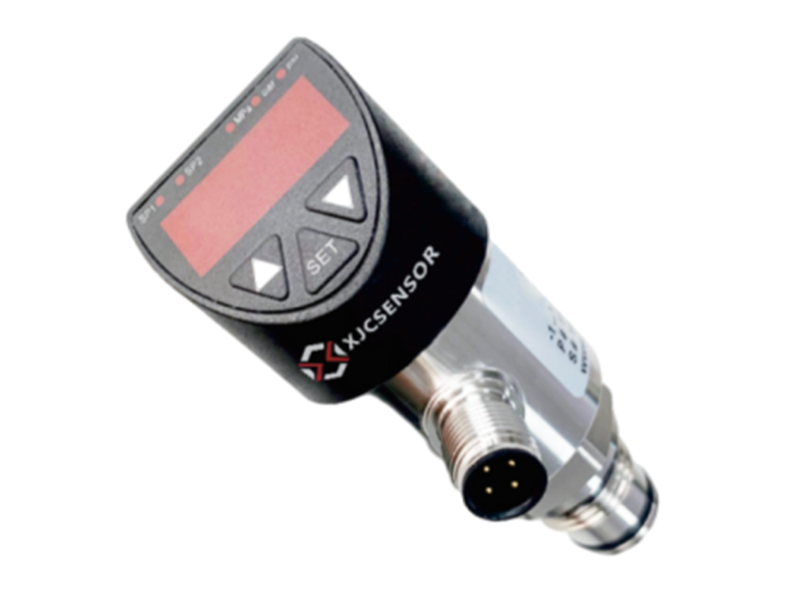
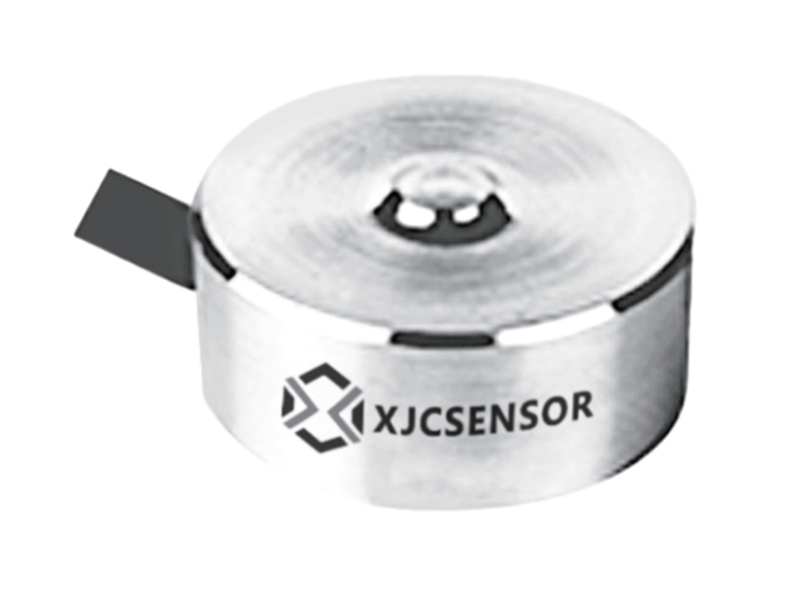
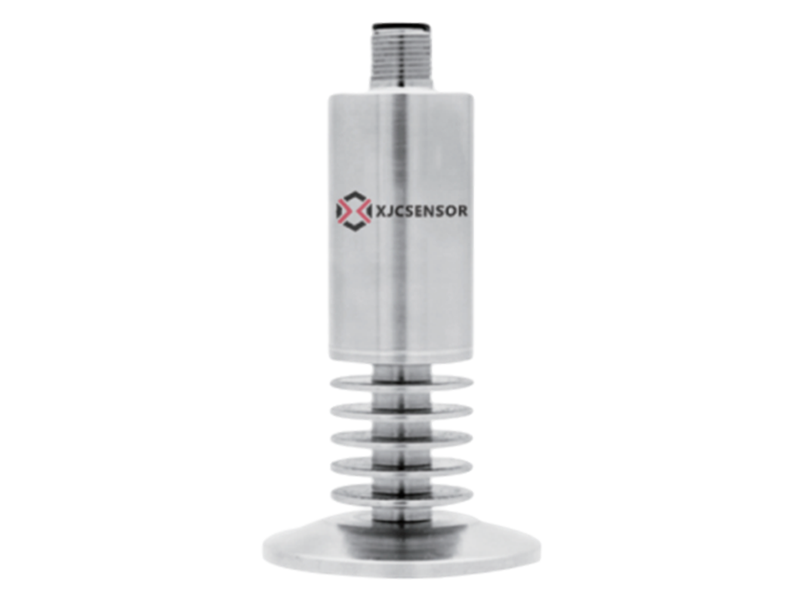
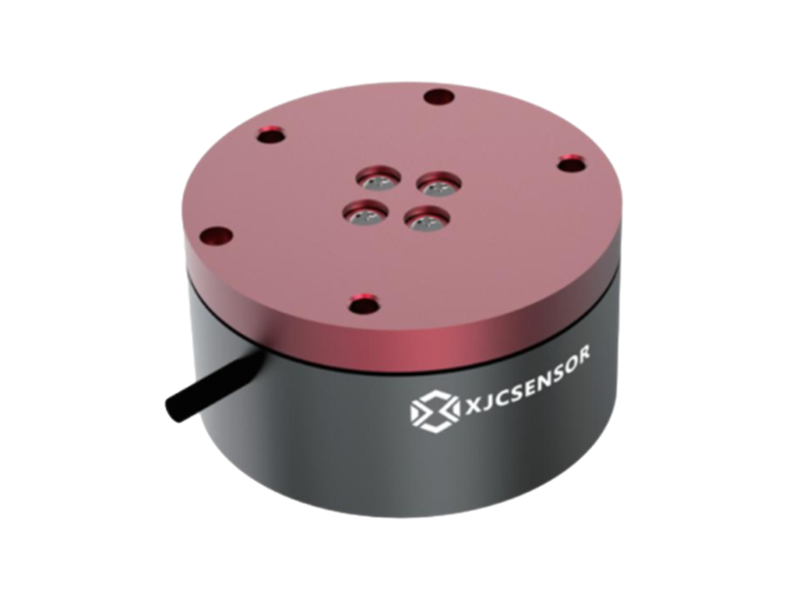
Dynamic torque sensors are important tools in many industries. They are used to measure the twisting force on an object. This information is useful in many ways. For example, bafang torque sensor in car manufacturing, these sensors help ensure that parts are tightened correctly. If a screw is not tight enough, it can cause problems. Dynamic torque sensors help prevent these issues by providing real-time data on how much force is being used. At XJCSENSOR, we focus on making these sensors very reliable and accurate. This means companies can trust the data they receive. When businesses use dynamic torque sensors, they can improve their processes and make better products.
How Dynamic Torque Sensors Enhance Product Quality and Performance
What Are the Key Benefits of Using Dynamic Torque Sensors in Industry? Dynamic torque sensors have many benefits for companies. First, they help improve safety. When machines are not working right, they can be dangerous. Dynamic torque sensors can catch problems before they become serious. For example, if a bolt on a machine is loose, it can cause the machine to fail. This torque spec could hurt workers or damage equipment. By using these sensors, companies can monitor the force being applied and fix issues early. Second, these sensors help save money. When machines work properly, they use less energy and last longer. If companies can avoid breakdowns, they don’t have to pay for expensive repairs. Also, using dynamic torque sensors can reduce waste. When products are made with the right amount of force, there are fewer mistakes. This means less material is wasted, and companies can save money. Lastly, these sensors help improve efficiency. Workers can spend less time checking if everything is tight or working correctly. Instead, they can focus on other important tasks. With XJCSENSOR dynamic torque sensors, companies can track their processes better. This leads to quicker production times and better overall performance.
-
How to Choose the Right Dynamic Torque Sensor for Your Application
How Dynamic Torque Sensors Enhance Product Quality and Performance is another important aspect. When products are made with the right amount of force, they tend to be of better quality. For example, if a car door is not attached properly, it can rattle or even fall off. Dynamic torque sensors help ensure that every part is installed correctly. This means that customers get a better product. When companies use these sensors, they can also test their products more effectively. They can see if the right amount of torque is used during assembly. If something is wrong, they can fix it before the product reaches customers. This leads to fewer returns and happier buyers. Good quality products can help a company’s reputation. When customers know they can trust a brand, they are more likely to buy from them again. XJCSENSOR understands this need for quality, and that’s why our sensors are designed to provide accurate readings. Finally, using dynamic torque sensors can help companies innovate. They can experiment with new designs and processes, knowing they have reliable data to back them up. This leads to better products and new ideas in the market. When quality and performance improve, businesses can grow and succeed in their industries.
-
Common Usage Issues with Dynamic Torque Sensors and How to Solve Them
Choosing the right dynamic torque sensor is very important for getting the best results in your work. A dynamic torque sensor measures how much twisting force is being used in machines and tools. First, think about what you need the sensor to do. Are you measuring torque in a car engine, or maybe in a robot? Different jobs need different types of sensors. For example, if you are using it in a small space, you might want a smaller sensor that fits easily. Next, look at the range of torque the sensor can measure. Some sensors can only measure a little bit of torque, while others can measure a lot. Make sure the sensor you choose can handle the amount of torque you expect in your application. You also need to think about how accurate the sensor needs to be. If you are working on a project that needs very precise measurements, like in a scientific lab, you will need a high-accuracy sensor. On the other hand, if you are using it for a less critical task, a basic sensor might be enough. Another thing to consider is how the sensor connects to your system. Some sensors come with easy-to-use interfaces that let you see the data right away. Others may need more complicated setups. If you don’t want to spend a lot of time setting things up, look for a sensor that is user-friendly. Lastly, consider the brand you are buying from. XJCSENSOR is known for making reliable sensors that many engineers trust. Always check reviews or ask for recommendations to ensure you are making a good choice. By thinking about these factors, you can choose the right dynamic torque sensor that will help you do your work better and faster.
-
What Makes Dynamic Torque Sensors Essential for Precision Engineering?
Even the best dynamic torque sensors can face some problems when they are used. Understanding these problems can help you fix them quickly. One common issue is that the readings from the sensor might not be accurate. This torque gauge can happen if the sensor is not installed correctly. Make sure to follow the instructions carefully when you set up the sensor. Sometimes, dirt or oil can get on the sensor, which can affect how it works. Keeping the sensor clean is very important for getting good readings. If the sensor is installed in a place where it gets a lot of vibrations, this can also cause problems. To solve this issue, try to place the sensor in a more stable spot or use shock absorbers to minimize vibrations. Another common issue is that the sensor might not be able to handle the amount of torque it is measuring. If you are pushing the sensor beyond its limits, it could break or give wrong readings. Always check the specifications of the sensor to make sure it can handle the torque levels you are working with. If your sensor keeps giving you trouble, it could also be a sign that you need a better quality product. XJCSENSOR offers a range of dynamic torque sensors that are designed to handle tough situations, so consider upgrading if you face frequent issues. Lastly, sometimes the data from the sensor can be hard to understand. Make sure you are using the right software or tools to read and analyze the data properly. If you find it difficult, asking for help from someone experienced can make a big difference. By being aware of these common problems and knowing how to fix them, you can ensure your dynamic torque sensor works well.
Why choose XJCSENSOR Dynamic torque sensor?
Not finding what you're looking for?
Contact our consultants for more available products.
Request A Quote Now











Copyright ◎ 2025 XJCSENSOR


